When hydraulic cylinders, pumps and components begin to underperform, many businesses face the same difficult question: is it smarter to repair the equipment or replace it altogether? The wrong decision can lead to higher lifetime costs, unexpected downtime and even safety risks. Taminda Hydraulics & Engineering sees the consequences of rushed replacements and short-sighted repairs every day, which is why understanding the trade-off between these options is critical for operators, maintenance managers and business owners.
Hydraulic repairs in Tamworth are not simply about fixing a failed part. They require careful evaluation of remaining asset life, reliability under load, parts availability and the true cost of downtime. In some cases, a targeted repair or overhaul restores years of dependable service. In others, continued patchwork only delays a more expensive failure.
This article examines the practical factors that influence repair versus replacement decisions, helping businesses protect safety, uptime and long-term value.
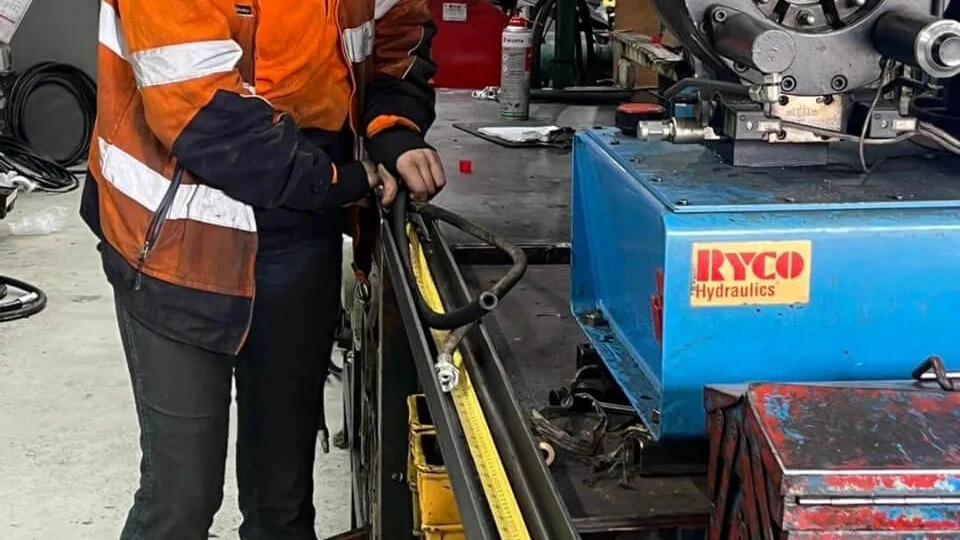
Repair is often the most economical and efficient way to keep hydraulic equipment working, especially for hardworking plant and machinery, where downtime costs quickly add up. The key is knowing when a component can be restored to safe, reliable service and when it is nearing the end of its useful life.
Professional technicians help customers weigh the costs, safety and productivity before committing to a full replacement. In many cases, a targeted repair or overhaul can extend equipment life for years at a fraction of the cost of new.
Repair is usually the sensible option when the cost of the work is clearly lower than replacement and there is no loss of performance or safety. As a practical guide, repair is typically preferred when the total repair quote is a small proportion of the cost of new.
For example, if a cylinder rod is scored or a gland seal is leaking, but the barrel and eye ends are sound, replacing the rod or resealing the unit is often far cheaper than buying a new cylinder. The same applies to pumps and motors that have localised wear on shafts or bearings while the housings are still within tolerance.
Hydraulic hoses and fittings are another common area for repair. If the hose assembly is damaged but the routeing and specifications are still correct, a like-for-like replacement hose is usually the fastest and most cost-effective fix. Experts can manufacture hoses to match the original length, pressure rating and end fittings, reducing the risk of compatibility issues.
Repair makes particular sense where the OEM still supports the model and quality parts are readily available. When seal kits, valve cartridges, pump parts and hose ends can be sourced quickly, the repair time is shorter and the result is predictable.
This is often the case with:
With supported equipment, a repair can often be turned around in hours or days rather than waiting for a completely new unit to be ordered, shipped and installed. The workshop is set up to strip, assess and rebuild cylinder pumps, valves and manifolds using parts that meet or exceed OEM standards.
For customers in mining, agriculture, transport and manufacturing, lost time can cost far more than the price difference between repair and replacement. If the failure is confined to one component and the root cause is clear, a focused repair is usually the fastest route back to work.
Typical examples are:
In these situations, technicians can identify the failed parts of the machine or fabricate replacements if required and refit and test the equipment so it returns to service quickly.
Sometimes a repair will only buy a little time before the next breakdown. This section explains the practical red flags that indicate it may be more economical to replace hydraulic equipment rather than continue patching it up. A proper assessment should consider the full life of the machine, not just the cost of the next fix. The warning signs below are typically evaluated when advising whether to invest in a new unit or continue repairing the existing one.
If a pump, cylinder or power pack is spending more time off the floor than on it, replacement should be on the table. A repair might be cheaper on the invoice, but repeated call-outs and unscheduled stoppages quickly cost more than a new component.
A key sign is when similar failures keep occurring even after quality repairs. For example, a pump that starts leaking again a few weeks after seal replacement suggests internal wear in the housing or shaft that a simple reseal cannot solve. When breakdowns become monthly or weekly and planned maintenance is no longer preventing issues, the equipment is nearing the end of its useful life.
A useful rule of thumb is to compare the quote for repair with the replacement cost and the remaining life of the machine. If a repair will cost more than about 50% of a new equivalent and the equipment is already past the middle of its expected service life, replacement is usually the smarter option.
Other financial warning signs:
When these costs start to add up across a year, technicians often recommend pricing a new unit or major system upgrade instead of the next large repair.
Hydraulic equipment that cannot meet the job requirements even after repair is a strong candidate for replacement. Warning signs include slow cycle times, low or unstable pressure and difficulty holding load or position.
If the system is operating flat out just to achieve basic performance, it is likely undersized or outdated for current production needs. In many operations, older power units were designed for lighter duty or shorter shifts. When those machines are pushed into continuous service, they often run hot and wear quickly, even after an overhaul. In these cases, a modern higher-capacity unit delivers better performance and reliability than further repair work.
When key parts are no longer available or can only be sourced second-hand, every breakdown becomes a production risk. Long lead times for critical spares can be more damaging than the cost of replacement itself. Likewise, if a system cannot be brought up to current safety or environmental standards without major redesign, such as adding proper guarding or leak containment, replacement is often the more practical solution.
Equipment with damaged frames, cracked mounting points or severe corrosion also raises serious concerns. Structural issues directly affect safety and cannot be properly resolved with minor repairs. In these cases, investing in a new unit is usually the only responsible long-term option.
The price on a repair or replacement quote is only part of the real cost. For hydraulic equipment, especially in demanding industrial and agricultural work, the bigger question is what that decision will cost over the next few years in downtime, reliability and performance.
When experts help customers decide between repair and replacement, they look at the total cost of ownership rather than the cheapest line on paper. This approach often changes what looks like an obvious choice into a more balanced long-term decision.
Unplanned stoppages are usually the most expensive part of a hydraulic failure. A cheap repair that fails again in a few weeks can cost far more in lost production than a more thorough repair or a full replacement.
For equipment that runs critical processes, such as mobile plant on tight project timelines or production machinery on a shift roster, it is important to factor in:
For example, a repair that costs half the price of a new component might seem attractive, but if it adds two extra days of downtime or carries a high risk of repeat failure, the real cost can quickly overtake the cost of replacement.
The expected remaining life of the equipment should be compared with the life of a new unit. A repair may only extend service life by 6 to 12 months, while a replacement component might provide 5 to 10 years if maintained.
Key points to weigh up:
A low-cost repair on a very old pump may not make sense if other internal parts are already near the end of their life. In that case, a full replacement can reduce the likelihood of follow-up failures in nearby components.
Older or damaged hydraulic components often consume more power, generate more heat and require more frequent maintenance. That can increase fuel or electricity use and raise ongoing service costs.
When considering repair or replacement, it is important to look at:
A slightly higher-priced replacement that runs cooler and more efficiently can reduce operating costs year after year. Likewise, a well-executed repair that includes upgrades.
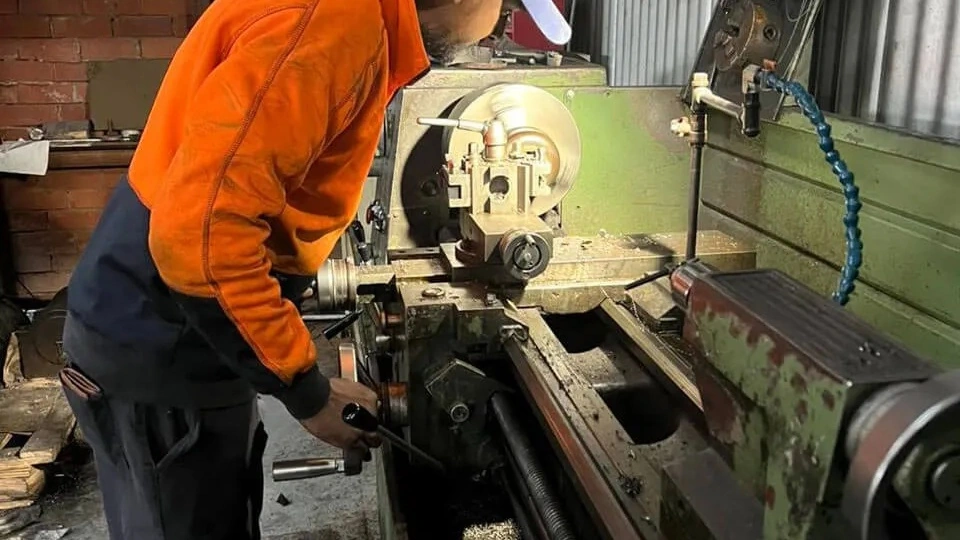
Equipment age and how hard it works day to day are two of the biggest factors in deciding whether hydraulic gear is worth repairing or should be replaced. Older units with long hours and heavy use are more likely to suffer repeated failures, rising maintenance costs and longer downtime, outweighing the price of a new unit.
Technicians look at calendar age and actual duty cycle before recommending a way forward. A relatively new machine that runs gently may justify a major repair, while an older unit that works at its limits every day may be a better candidate for replacement, even if it can technically be fixed.
Age affects more than just visible wear. Seals harden, hoses become brittle, corrosion can start inside cylinders and valves, and older designs may lack modern efficiency or safety features. As equipment moves past its expected service life, the risk of unexpected failure climbs, and the cost per hour of operation often increases.
For many common hydraulic components, such as pumps and motors, manufacturers quote an expected operating life in hours. If a unit is approaching or has passed that figure and shows signs of internal wear, such as noise, heat or reduced performance, a major repair may only buy a short extra window of reliable use. In these cases, experts suggest comparing the cost of a full rebuild against the cost and benefits of a new or upgraded component.
Age also affects parts availability. On older imported machines, special seals, manifolds or electronic controls can be difficult or slow to source. If every repair involves long lead times, the indirect cost of downtime may make replacement a better long-term choice for businesses that rely on tight schedules.
Duty cycle describes how intensely and how often the hydraulic system is used. A light-duty machine that runs a few hours a week at modest pressure can have a very long useful life. The same model used in a 24/7 operation at high pressure and frequent load reversals in mining or heavy fabrication will age much faster.
High duty cycles increase thermal stress, accelerate wear on pumps and valves and expose weak points in hose routeing and fittings. If a component from a high-duty application fails, technicians look closely at the total hours and working conditions. A single failure on a relatively young, high-duty system might justify a quality repair plus upgrades, such as improved cooling or better hose selection. Repeated failures across several components usually indicate the system is reaching the end of its economic life under that workload and replacement or redesign should be considered.
The right decision also depends on how long the owner plans to keep using the equipment in that role. If an older machine is due to be phased out or used less intensively, a targeted repair can be the most economical way to get through the remaining period. If a business expects to increase production or move to longer shifts, investing in new or fully overhauled hydraulics with a fresh service life often delivers better value.
Experts assist customers in weighing these factors by assessing actual hours of use, maintenance history and the true cost of downtime so the repair or replace choice fits the condition of the equipment and the future workload.
Quick hydraulic repairs can get a machine moving again fast, but they often hide deeper issues that are quietly getting worse. For operators under pressure to keep production going, it is tempting to keep patching the same fault rather than invest in a proper repair or replacement. The risk is that a cheap fix today can turn into major component failure, unplanned shutdowns and higher overall costs.
Understanding which stop-gap measures are acceptable and which are red flags helps owners decide when to call time on patch jobs and look at a more permanent solution.
Frequently replacing seals or hoses is a clear sign that the root cause is not being addressed. A cylinder rod seal that keeps blowing out, for example, is rarely just a “bad seal”. Common underlying problems include a bent or scored rod, misaligned mountings or excessive system pressure. Simply fitting a new seal each time only masks the damage that is already present.
The same applies to hoses that repeatedly chafe, burst or leak near fittings. Shortening the hose or replacing it with a heavier type might keep it running for a while, but if clamps are missing, supports are poorly placed, or pressure spikes are too high, the failure will return. Eventually, the cost of multiple “cheap” hose changes plus lost oil and downtime often exceeds the cost of correcting the layout or upgrading the component.
Constantly topping up hydraulic oil is one of the most common short-term habits. It can seem harmless, especially if the machine is old and oil is relatively inexpensive. However, every leak is a pathway for contamination back into the system. Dirt, moisture and metal particles enter through damaged seals, cracked housings or loose fittings and are then circulated through pumps, valves and motors.
This leads to accelerated wear, higher operating temperatures and more frequent filter changes. Operators may only notice subtle changes, such as slower cycle times or noisy pumps, which are then ignored. By the time the leak is finally repaired, internal damage may already have progressed to the point that major components need overhaul or replacement. Addressing persistent leaks early usually protects the higher-value parts of the system and can extend the useful life of older equipment.
When a critical cylinder, pump or valve fails, it can be tempting to choose the quickest or cheapest fix and hope for the best. A structured assessment helps operators step back from the immediate pressure and properly weigh repair against replacement so the decision supports safety, uptime and long-term cost control, not just today’s breakdown.
A confident decision comes from combining hard numbers with practical, on-the-ground experience. That means understanding the true cost of downtime, how hard the equipment works, parts availability and what the failure reveals about the condition of the wider hydraulic system.
The right option for a production plant running 24/7 will not always match what suits a smaller farm or workshop. Professionals start by clarifying what matters most for each site.
If keeping machines running is critical, the real question is often which option returns the equipment to service fastest without lifting the risk of another failure. A repair might be quicker if parts can be machined locally and fitted the same day. In other cases, an ex-stock replacement unit can be bolted in while the old component is overhauled and kept as a spare.
Budget is the next key factor. Customers are to compare the repair quote with the cost of a new unit, plus fitting and any required modifications. As a rule of thumb, if a repair is less than about 50 to 60% of replacement and the component is not at the end of its service life, repair is usually worth strong consideration.
Risk sits alongside cost. If a failure point is safety critical, such as steering or braking functions, it is often wiser to lean towards replacement or a more extensive overhaul, even if a cheaper patch repair is technically possible.
A proper strip and inspection tells a clear story about the component and the system around it. Patterns revealed during assessment often indicate whether the failure is a one-off issue that can be repaired or a symptom of deeper underlying problems.
If inspection identifies isolated damage, a targeted repair using quality seals and components can restore reliability and extend service life. In contrast, widespread wear, corrosion or pitting across multiple surfaces usually suggests the component is approaching the end of its economic life or has been operating with contamination or poor lubrication. In these cases, replacement or full remanufacture is generally the more appropriate course of action.
Inspection findings also influence availability decisions. If critical internal parts are obsolete or subject to long overseas lead times, sourcing a new equivalent unit may be the only practical way to prevent extended downtime.
Customers must see each repair or replacement as part of a longer-term maintenance plan. That often means asking whether it is worth upgrading capacity or changing design while the system is already offline.
If a cylinder or power pack has been consistently undersized for the loads it sees or temperatures are always running high, it may be smarter to replace it with a higher specification unit rather than repeatedly repairing the same weak link. Likewise, if repeated hose failures trace back to vibration or routeing issues, technicians will recommend small layout changes so future repairs are less frequent and faster to carry out.
Deciding whether to repair or replace hydraulic equipment requires disciplined, informed judgement rather than short-term cost cutting. By looking beyond the immediate invoice and considering downtime, asset age, duty cycle and future workload, it becomes clearer which equipment still justifies investment and which has reached the end of its economic life.
Repair remains a powerful option when it restores reliability and extends service life at a reasonable proportion of replacement cost. However, when failures become frequent, parts are obsolete or performance no longer meets operational demands, replacement is often the more strategic decision.
The goal is not simply to keep machinery running, but to ensure it operates safely, efficiently and predictably. A structured evaluation protects productivity, cash flow and long-term performance far better than reacting to the next breakdown.