Machines and hydraulics are nice to have in Tamworth. They are the backbone of daily work across farms and construction sites, or transport yards and industrial operations. When hydraulic repairs in Tamworth fail, everything else quickly stacks up behind them. Our team at Taminda Hydraulics & Engineering knows how even a small hydraulic issue can snowball into missed deadlines and frustrated crews if it is not handled properly.
Our focus has always been on keeping equipment moving with fast, practical repairs that suit real working conditions. That means understanding how breakdowns affect regional operations and responding with solutions that actually last. Taminda Hydraulics & Engineering approaches every repair with the mindset that downtime costs money and momentum, and the goal is always to get machinery back into safe operation without cutting corners.
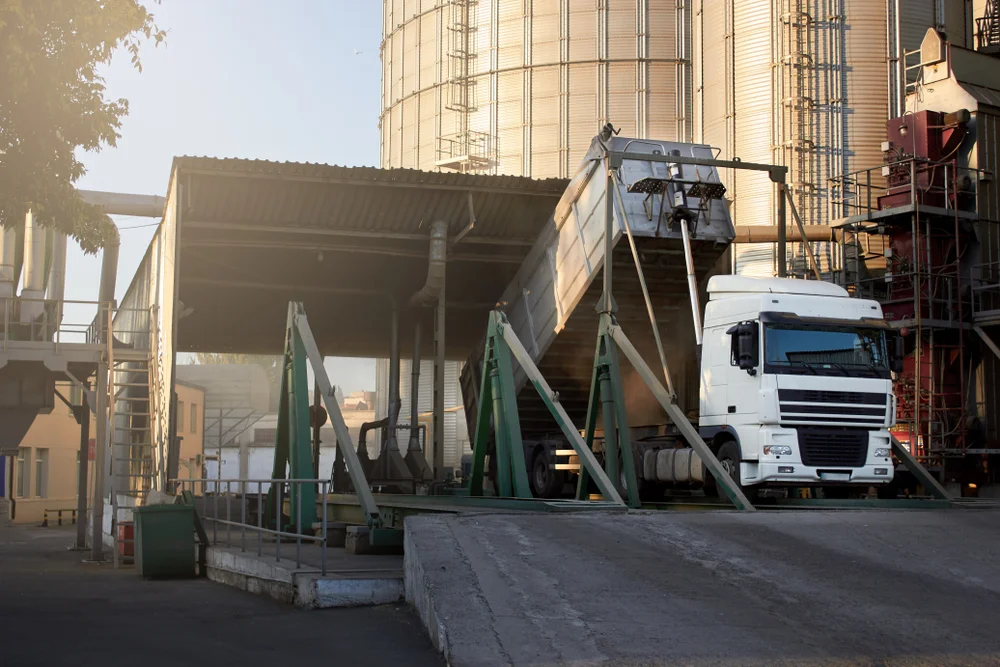
Regional businesses often operate with tighter margins and longer supply chains than metro sites. A single piece of equipment going down can disrupt multiple jobs at once. Distance or logistics and limited access to replacement parts all magnify the impact of hydraulic downtime.
When machines stop, crews often stop and work schedules quickly unravel. Delays can push into days rather than hours if repairs are not handled quickly and correctly. In regional settings, downtime is inconvenient and can affect entire operations.
When hydraulic systems fail, production slows immediately because machines cannot perform even basic tasks safely. Operators may be forced to stand by while supervisors reorganise work or wait for repairs to begin. This lost time adds up quickly across multiple workers and shifts.
Idle crews still incur labour costs while generating no output, placing pressure on budgets and timelines. Jobs that rely on one machine often create flow-on delays for transport and follow-on trades. These delays can ripple through several projects at once, especially during busy seasons.
Lost production rarely stays contained to one machine or one task. Quick repairs help stop small faults from turning into widespread operational delays.
Many regional operations rely on a small number of key machines with no immediate replacements available. When one unit fails, there is often no spare to step in and keep work moving. This makes a fast repair response far more critical than in larger urban fleets.
Specialist support is also less accessible in regional areas, meaning delays can occur while waiting for technicians or parts to arrive. Travel time alone can stretch a simple repair into a full-day outage. Having repairs done right the first time reduces the risk of repeat failures.
Limited backups increase the pressure on every repair decision. Reliable fixes help avoid repeat stoppages when support is harder to access.
Regional work often continues through dust and heat and even rain and uneven terrain that accelerate wear on hydraulic components. Failures rarely happen in ideal conditions or convenient locations. This makes on-site response and practical repair methods essential.
Environmental conditions and distance amplify every breakdown. Correct repairs reduce the risk of repeat issues under tough working conditions.
Hydraulic systems are built to handle heavy loads, but real-world use places constant stress on components. Over time, wear builds quietly until a sudden failure brings everything to a stop. Understanding common failure points helps reduce downtime when problems arise.
Most shutdowns stem from components that experience high pressure or constant movement and even contamination. Identifying these areas early makes repairs faster and more effective. Knowing what typically fails allows better preparation and quicker response.
Hydraulic hoses operate under constant pressure and flexing, making them prone to cracking and sudden bursts. Seals degrade gradually due to heat and pressure cycling. Pumps can suffer from internal wear that reduces flow before complete failure occurs.
These issues often present warning signs such as leaks or sluggish operation before shutdown. Ignoring early symptoms increases the risk of full system failure. Prompt repair of worn components prevents larger damage.
High-wear components are responsible for many sudden shutdowns. Early repair keeps minor issues from escalating into major failures.
Dirt or moisture and metal particles entering hydraulic systems can cause serious internal damage. Valves may stick or respond slowly, while cylinders may score internally or lose sealing ability. Contamination often spreads quickly through fluid circulation.
Poor filtration or damaged breathers can accelerate contamination without being noticed. Once internal components are affected, failures can multiply across the system. Proper cleaning and component replacement help restore reliable operation.
Contamination affects multiple parts at once if left unchecked. Cleaning and correct repairs help stop widespread system damage.
Excessive heat reduces fluid performance and accelerates wear on seals and hoses. Overheated fluid loses lubricating properties and allows internal components to wear faster. This can lead to pressure loss and erratic system behaviour.
Heat-related issues quietly weaken hydraulic systems over time. Addressing fluid and cooling problems supports longer system life.
Accurate diagnosis is critical to reducing downtime. Guessing the cause of a failure can lead to unnecessary part changes and extended outages. Structured fault finding helps identify the real issue faster.
Effective diagnosis combines observation with testing and experience. Recognising common symptom patterns allows faster decision-making. This approach limits downtime and avoids repeat visits.
Visual inspection often reveals leaks or loose fittings that point directly to the fault. Pressure testing helps confirm whether pumps and valves are performing within expected ranges. Combined, these checks narrow down potential issues quickly.
Recognising symptom patterns such as slow response or uneven movement helps isolate failing components. This avoids unnecessary dismantling of healthy parts. A clear diagnosis speeds up the repair process.
Simple checks provide valuable fault information quickly. Accurate diagnosis reduces wasted time and effort.
Unusual noise can indicate cavitation or worn components or even air ingress in the system. Excess heat around specific components often highlights restriction or internal wear. These signs are useful indicators when visual damage is not obvious.
Changes in operation (such as jerky movement or delayed response) point to pressure or flow issues. Paying attention to these details helps pinpoint faults early. This reduces the risk of further damage during operation.
Sound and heat provide important clues during diagnosis. Noticing these signs helps prevent extended downtime.
Not all symptoms point directly to the failing component. Pressure loss in one area may be caused by issues elsewhere in the system. Experience helps identify where to focus testing efforts.
Experience helps cut through misleading symptoms. Addressing root causes leads to more reliable outcomes.

Field repairs are often necessary in regional operations where transporting equipment is impractical. Safety and efficiency must be balanced to restore operation quickly. Proper planning and tools make on-site repairs effective.
Well-executed field repairs minimise disruption and reduce the risk of further damage. Temporary solutions may be used carefully while planning permanent fixes. The goal is safe functionality without compromising long-term reliability.
Replacing damaged hoses on-site prevents fluid loss and allows machines to resume operation quickly. Correct hose specification and routeing are critical to avoid premature failure. Secure fittings and proper pressure ratings ensure safety.
Temporary pump solutions may be used to keep equipment running until permanent repairs are completed. These solutions must still meet operational demands safely. Clear communication ensures operators understand limitations.
On-site repairs restore productivity quickly when done correctly. Temporary solutions should always prioritise safety and reliability.
Having the right tools available reduces repair time significantly. Crimping equipment with pressure gauges and seal kits allows many issues to be addressed immediately. Spare hoses and fittings help avoid waiting for deliveries.
Well-stocked repair vehicles support efficient response in regional areas. Preparedness reduces downtime caused by missing equipment. This approach improves repair outcomes.
Proper tools make fast repairs possible. Prepared teams minimise delays during breakdowns.
Time pressure should never override safety during repairs. Hydraulic systems store energy that must be released correctly before work begins. Proper isolation and testing prevent injury.
Safety remains essential even during urgent repairs. Correct procedures support both speed and reliability.
Preparation reduces downtime long before a failure occurs. Planning and readiness help teams respond faster when issues arise. Preventive measures support smoother operations.
Being prepared means having equipment and people ready. This reduces the impact of unexpected breakdowns. Preparation supports consistent productivity.
A mobile repair kit should include commonly used hoses or fittings and seals or tools. This allows immediate response to frequent failures without returning to base. Kits should be checked and replenished regularly.
Tailoring kits to specific equipment types improves effectiveness. This preparation saves time during breakdowns. Mobile readiness supports efficient field repairs.
Prepared repair kits shorten response times. Readiness supports reliable operations.
Clear response procedures help teams act quickly during failures. Knowing whom to contact and what steps to follow reduces confusion. This speeds up decision-making.
Remote sites benefit from predefined repair strategies. Communication plans support coordination during breakdowns. Prepared procedures reduce downtime.
Clear procedures improve response speed. Planning supports smoother recovery during failures.
Monitoring component wear helps predict failures before shutdown occurs. Recording repair history highlights recurring issues. This information supports better maintenance planning.
Tracking wear supports proactive maintenance. Preventive action reduces sudden shutdowns.
Reducing hydraulic downtime requires a practical approach that balances speed with accuracy. Fast repairs only deliver value when they address the true cause of failure and restore reliable operation. Regional operations benefit most from preparation with experience and clear processes that reduce response time. Keeping equipment moving protects productivity and confidence across every job.
Hydraulic systems will always face wear under demanding conditions, but downtime does not have to control operations. With the right planning and repair approach, failures can be managed effectively. Investing in preparedness and correct repairs supports long-term performance. Consistent uptime keeps work flowing and businesses moving forward.