Machines and hydraulics in Tamworth rarely fail without warning, but they give off subtle signs long before performance drops or damage sets in. The experts at Taminda Hydraulics & Engineering see hydraulic reliability as something earned through care and a clear understanding of how equipment behaves under real working conditions. Paying attention to those signs has become a smarter way to protect equipment with hydraulic system servicing in Tamworth, reducing stress on teams and keeping work moving without unnecessary interruptions.
Taminda Hydraulics & Engineering also knows how changing expectations around uptime and safety have pushed maintenance thinking forward. Operators want fewer surprises with steadier performance and better control over costs, not rushed repairs after something breaks. Predictive maintenance has stepped into that space by helping businesses act earlier and plan better to avoid the cycle of breakdown and recovery.
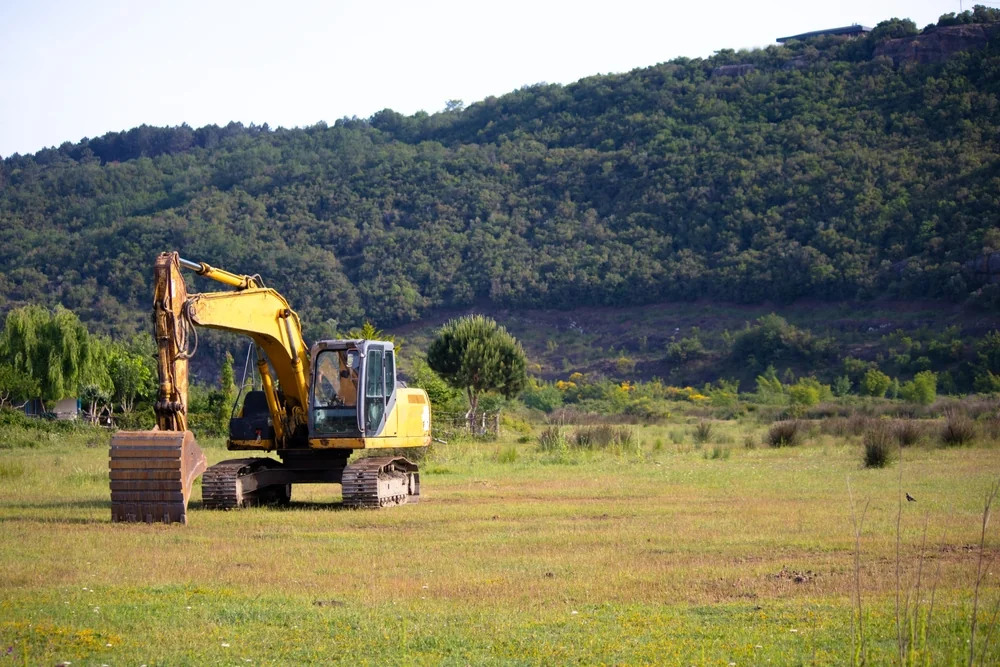
Maintenance strategies in regional industries are changing because operating conditions are tougher and less predictable than in many metro settings. Equipment often runs longer hours while travelling further distances and working across varied loads and climates. These factors have made older maintenance models harder to rely on and more expensive to maintain.
Predictive approaches are being adopted because they fit better with how regional operations actually run. Instead of stopping work on a fixed schedule or waiting for failures, maintenance can be aligned with real equipment conditions. This shift supports steadier output and better use of labour and parts.
Reactive maintenance often places teams under pressure because action only happens after a failure has already disrupted work. Time-based schedules can also fall short when equipment wear does not follow predictable timelines. Both approaches can lead to wasted effort or costly surprises.
Waiting for breakdowns increases the risk of wider damage because small issues have time to spread through connected components. Repairs then become larger and more disruptive than they needed to be. Fixed servicing intervals can result in parts being replaced too early or too late depending on how the system is actually being used. This imbalance raises costs without improving reliability. Emergency repairs usually demand urgent labour and express parts supply. These rushed decisions often limit options and reduce repair quality.
These traditional methods struggle to keep up with variable workloads and harsher environments. Predictive maintenance offers a way to respond to real conditions instead of assumptions.
In regional work, reliability often outweighs raw speed because delays can ripple through supply chains and job schedules. When equipment stops unexpectedly, access to parts and specialists can be limited. That makes consistency far more valuable than pushing machines to their limits.
Reliable equipment allows teams to plan jobs with confidence and avoid last-minute changes that strain people and resources. Predictable performance supports safer work practices. Downtime in remote or spread-out sites can take longer to resolve due to travel and logistics. Preventing failures reduces these extended interruptions. Stable systems reduce operator stress and lower the chance of mistakes caused by rushed recovery efforts. Calm work environments lead to better outcomes.
Focusing on reliability helps businesses maintain trust with clients and partners. Predictive maintenance supports this by reducing surprises and improving planning.
Hydraulic equipment in regional settings often faces dust or heat and heavy loads on a daily basis. These conditions accelerate wear even when machines appear to be running normally. Protecting asset life requires deeper insight into what is happening inside the system.
Longer asset life reduces replacement costs and improves sustainability. Predictive maintenance makes this possible by guiding smarter decisions.
Predictive maintenance relies on gathering meaningful information from key points within hydraulic systems. Instead of relying on guesswork, performance is assessed through observable patterns and changes. This creates a clearer picture of system health.
By tracking behaviour over time, emerging issues can be identified before they disrupt operations. Maintenance becomes a planned response rather than a reaction to failure. This approach fits naturally with modern hydraulic systems and evolving operational demands.
Modern hydraulic systems can be monitored at several critical points to capture accurate condition data. These monitoring points focus on areas where wear and stress typically develop. Coverage is designed to reflect how the system actually works.
Sensors track factors such as pressure changes and temperature movement to highlight abnormal behaviour. These readings reveal trends that human inspection often misses. Strategic placement ensures data reflects real operating conditions rather than isolated snapshots. This improves the accuracy of maintenance decisions. Continuous monitoring provides a live view of system health during everyday use. Issues are flagged early rather than discovered during breakdowns.
Predictive monitoring removes guesswork from inspections. It gives teams reliable insight into how systems are performing day to day.
Real-time data allows changes in system behaviour to be identified as they happen. Small shifts in pressure or temperature often indicate early wear. Acting on these signals prevents more serious damage.
Gradual changes reveal component fatigue long before visible symptoms appear. Maintenance can be scheduled without stopping work unexpectedly. Data trends help distinguish between normal variation and developing faults. This clarity reduces unnecessary servicing. Early alerts allow parts to be ordered and repairs planned ahead of time. Workflows remain steady and controlled.
Early intervention protects both equipment and productivity. Predictive data supports smarter and calmer decisions.
Collecting data is only valuable when it informs clear actions. Predictive maintenance translates performance trends into practical servicing plans. These plans focus on preventing issues rather than reacting to them.
Actionable insights turn information into real operational value. Maintenance becomes a strategic tool rather than a routine task.
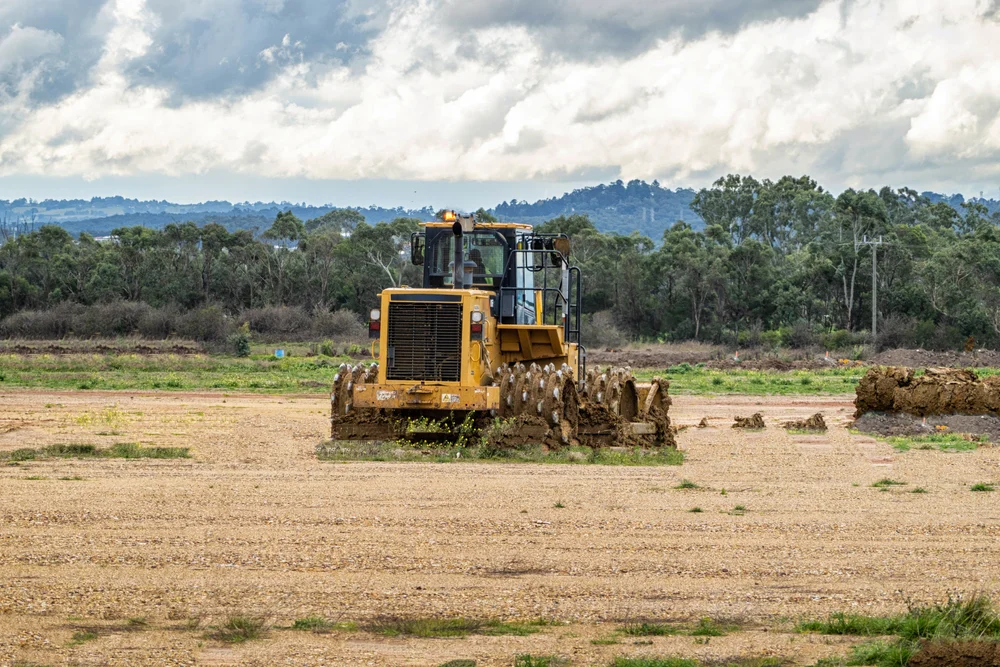
Predictive maintenance delivers benefits that can be seen directly in daily operations. Fewer surprises with smoother workflows and more confident teams are common results. These improvements build over time as systems are better understood.
On the ground, maintenance shifts from firefighting to planning. Resources are used more effectively, and equipment stays productive for longer periods. This practical impact drives growing adoption across industries.
Unplanned downtime often causes more damage than the initial fault itself. Predictive maintenance reduces these events by identifying issues early. This protects connected components from cascading failures.
Early detection prevents small faults from escalating into major system failures. Repairs remain targeted and controlled. Planned maintenance avoids sudden stoppages that disrupt entire operations. Work continues with minimal interruption. Reduced downtime improves overall productivity and site morale. Teams spend less time reacting to emergencies.
Fewer breakdowns create a calmer and safer working environment. Predictive maintenance supports steady output and confidence.
Repair costs increase rapidly once failures spread through a system. Predictive maintenance limits this by addressing wear at an early stage. Smaller repairs are easier and cheaper to manage.
Early fixes require fewer parts and less labour than full system rebuilds. Costs remain predictable and controlled. Planned work reduces the need for overtime and urgent callouts. Budgets are easier to manage. Better timing allows access to preferred parts and suppliers. Quality remains high without rushing decisions.
Lower repair costs improve overall financial performance. Predictive maintenance helps protect margins without compromising reliability.
Equipment failures often create safety risks for operators and nearby workers. Predictive maintenance reduces these risks by preventing sudden breakdowns. Safer systems support better working conditions.
Improved safety supports compliance and team wellbeing. Predictive maintenance plays a key role in creating safer sites.
Regional industries operate under conditions that demand resilience and flexibility. Environmental factors and workload variability place constant pressure on hydraulic systems. Predictive maintenance offers practical advantages in these settings.
By adapting maintenance to actual conditions, equipment remains reliable despite environmental challenges. This approach supports consistent output even during demanding periods.
Dust or heat and changing loads accelerate wear inside hydraulic systems. Predictive maintenance accounts for these influences by monitoring real performance. This ensures maintenance matches actual stress levels.
Dust ingress can be detected through changes in system behaviour before visible damage occurs. Filters and seals can be addressed early. Heat-related stress shows up in temperature trends long before failure. Cooling and lubrication can be adjusted in time. Variable loads are tracked through pressure patterns that reveal strain. Maintenance responds to how equipment is actually used.
Adapting to environmental stress improves system resilience. Predictive maintenance keeps equipment aligned with working conditions.
Peak operating periods place heavy demands on hydraulic equipment. Breakdowns during these times cause the greatest disruption. Predictive maintenance helps avoid failures when equipment is needed most.
High availability builds operational confidence. Predictive maintenance supports planning and reliability during busy periods.
Introducing predictive maintenance does not require major operational upheaval. Monitoring can be integrated gradually and scaled over time. This makes adoption practical and manageable.
By working with existing systems and teams, predictive strategies can enhance maintenance without interrupting workflows. The focus stays on improvement rather than disruption.
Existing hydraulic equipment can often be monitored with minimal modification. Sensors and monitoring points are selected to suit current layouts. Installation can occur during routine servicing.
Non-invasive sensors reduce installation time and complexity. Systems remain operational during setup. Integration focuses on high-value components where wear is most costly. Monitoring efforts are efficient and targeted. Gradual rollout allows teams to adapt without pressure. Learning happens alongside normal operations.
Smooth integration supports acceptance and effectiveness. Predictive maintenance becomes part of everyday practice.
Successful predictive maintenance depends on skilled interpretation and follow-through. Technicians need support to understand data and act on insights. Capability grows with experience and training.
Clear processes guide how alerts and trends are handled. Decision-making becomes consistent and confident. Ongoing support ensures data remains meaningful and actionable. Systems continue delivering value over time. Collaboration between technicians and operators improves outcomes. Shared understanding strengthens maintenance results.
Building capability ensures predictive maintenance delivers lasting benefits. Knowledge and confidence grow together.
Predictive maintenance programmes can expand as operations evolve. Starting small allows proof of value before wider rollout. Scaling then becomes a natural next step.
Scalable programmes support long-term growth. Predictive maintenance evolves alongside the business.
Predictive maintenance has reshaped how hydraulic reliability is achieved by focusing on foresight rather than reaction. It supports steadier operations and better use of resources across demanding environments. By acting earlier and planning smarter, businesses gain control over maintenance outcomes.
This approach strengthens confidence in equipment and teams alike. Reliability improves not through guesswork but through understanding and timely action. Predictive maintenance continues to prove itself as a practical and valuable way to support long-term hydraulic performance.