Hydraulic equipment sits at the heart of almost every industry we support across regional and industrial Australia. Whether it is powering earthmoving machinery, driving agricultural equipment or keeping mining operations moving, these systems take on demanding workloads every day. At Taminda Hydraulics, we see firsthand how essential reliable hydraulic system servicing in Tamworth has become, especially as equipment fails more often from maintenance approaches that do not match real operating conditions. As downtime costs continue to rise, there is a clear advantage in building reliability into everyday servicing rather than dealing with faults only after something goes wrong.
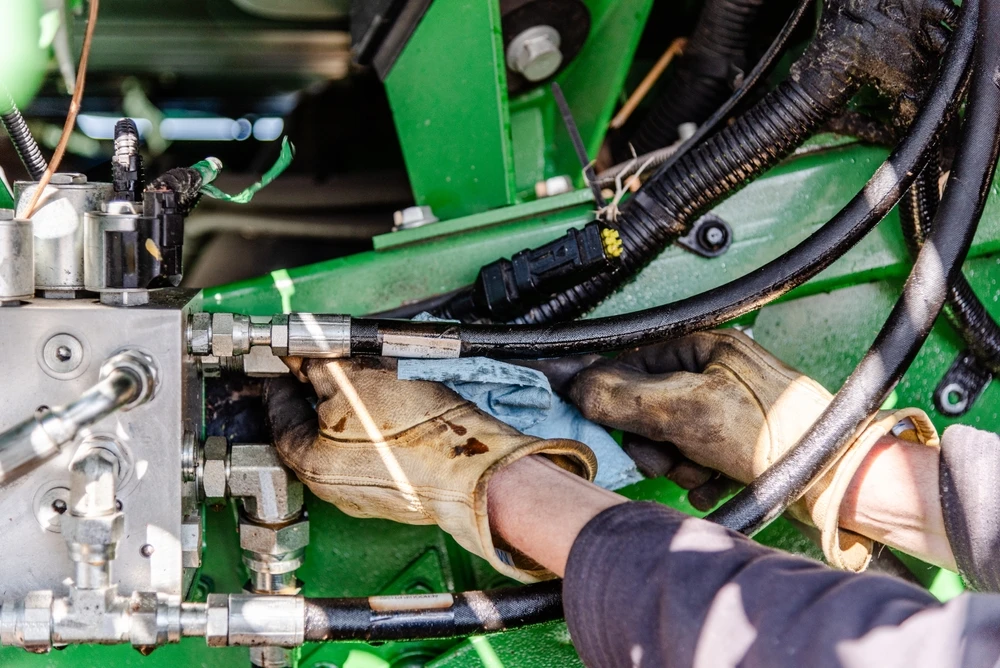
Hydraulic systems operate under heavy stress every day, and even well-designed machinery will begin to show wear if the servicing approach does not match how the equipment is actually used. Reliability comes from understanding these real operating conditions and addressing issues before they escalate. By shifting from reactive fixes to a proactive servicing mindset, operators can significantly reduce unexpected failures, keep performance steady and protect their machinery from long-term internal damage. This approach not only prevents downtime but also creates a safer and more predictable working environment.
Preventive servicing allows technicians to detect small changes in system behaviour long before they develop into major failures. By monitoring performance trends and inspecting key components regularly, issues can be corrected early, keeping the hydraulic system healthy and avoiding expensive surprises.
Anyone who works around hydraulic machinery knows the feeling of a sudden failure. A hose lets go, a cylinder loses pressure or a pump starts to growl and work stops instantly. What many operators do not see is the long chain of small warning signs that lead up to that moment. A bit of internal wear here, a seal starting to fatigue there or a slight increase in contamination levels. These clues usually appear weeks before the breakdown.
Preventive servicing focuses on catching those early changes. Technicians carry out regular inspections, check fluid condition and watch for minor performance shifts. When these issues are addressed early, the whole system stays healthier and major failures become far less common.
A reactive approach may seem adequate in the short term, but it often leads to larger failures, longer downtime and higher operating costs. When equipment is only repaired after something breaks, the damage is usually more extensive and the risk to workers and production schedules increases.
Breakdowns rarely happen at a convenient time. They interrupt schedules, slow projects and put pressure on both operators and supervisors.
A single failing component can send contaminants through the system. Once that happens, pumps, valves and cylinders often start failing in quick succession.
High-pressure hydraulic failures can be dangerous, especially on large machinery or equipment used in mining and construction.
Service intervals should reflect how equipment is actually used, not just the recommendations in the manufacturer’s handbook. Australian conditions are some of the harshest in the world, and factors such as heat, dust, moisture and heavy-duty workloads all accelerate wear. Creating realistic servicing intervals helps prevent unexpected failures, reduces mechanical stress and supports reliable, long-term performance. When intervals are aligned with real operating conditions, machinery remains safer, more predictable and more efficient across daily tasks.
Different environments place different types of stress on hydraulic systems. Heat, dust, moisture and salt exposure each influence how quickly components degrade. Understanding these conditions allows technicians to tailor service intervals so they match the real-world pressure placed on each machine.
In high temperatures, oil breaks down more quickly and seals can harden. Dusty inland regions expose equipment to abrasive particles that increase internal wear. Coastal environments introduce moisture and salt, both of which can speed up corrosion and contamination.
Usage intensity directly affects how fast components age. Machinery that operates long hours under heavy loads will experience wear at a much faster rate than equipment used seasonally or for short, intermittent tasks.
Tracking run hours, load cycles and operating pressures helps technicians identify how quickly internal parts are wearing. This information allows servicing intervals to be adjusted so they match the actual workload rather than a generic recommendation.
Effective maintenance planning uses real operating data, technician observations and historical wear patterns to create a servicing schedule that suits both the machine and the environment it works in. This ensures maintenance is performed when the equipment truly needs it, rather than too early or too late.
Equipment following condition-based service schedules becomes more reliable, avoids unnecessary over-servicing and maintains stronger performance under pressure. This approach also helps prevent unexpected failures by addressing wear at the correct time.
Modern diagnostic tools allow technicians to detect small performance changes long before they develop into major failures. Hydraulic systems often show subtle shifts in pressure, flow or temperature that are easy to miss during day-to-day operation. By using structured diagnostic testing and condition monitoring, maintenance teams gain a clearer understanding of internal wear, component health and system efficiency. This early insight supports smarter servicing decisions, reduces avoidable breakdowns and helps equipment operate at peak performance for longer.
Diagnostic testing provides measurable data that reveals how a hydraulic system is behaving internally. Small fluctuations in pressure, slower cycle speeds or elevated operating temperatures often indicate underlying issues that may not yet be visible.
Pressure testing helps identify relief valve problems or internal bypassing. Flow metres confirm whether a pump is still operating at its rated output, while thermal imaging pinpoints hotspots created by friction, restricted flow or inefficient cooling. When these test results are reviewed together, they provide an accurate picture of system condition before performance noticeably declines.
Early wear often appears as minor changes in system behaviour. Recognising these signals allows technicians to intervene before the issue becomes severe, preventing larger failures and reducing repair costs.
If a cylinder begins drifting or a pump struggles to maintain pressure, it usually indicates that internal surfaces are starting to wear.
The presence of metal particles, sludge or moisture in the oil is an early indicator that internal components may be breaking down.
Slower pressure recovery, inconsistent pressure levels or unusual fluctuations often suggest valve or pump deterioration.
Modern diagnostic equipment makes servicing more precise by identifying issues that cannot be detected visually or through basic testing. These tools provide clear, data-driven insights into system health, allowing technicians to plan maintenance more effectively.
Particle counters offer instant oil cleanliness readings. Ultrasonic testers detect small leaks long before they become visible. Borescopes allow internal inspections without dismantling components. Digital flow metres measure pump and valve efficiency at a highly accurate level. With these tools, maintenance becomes proactive, targeted and far more efficient, reducing the likelihood of unexpected breakdowns.
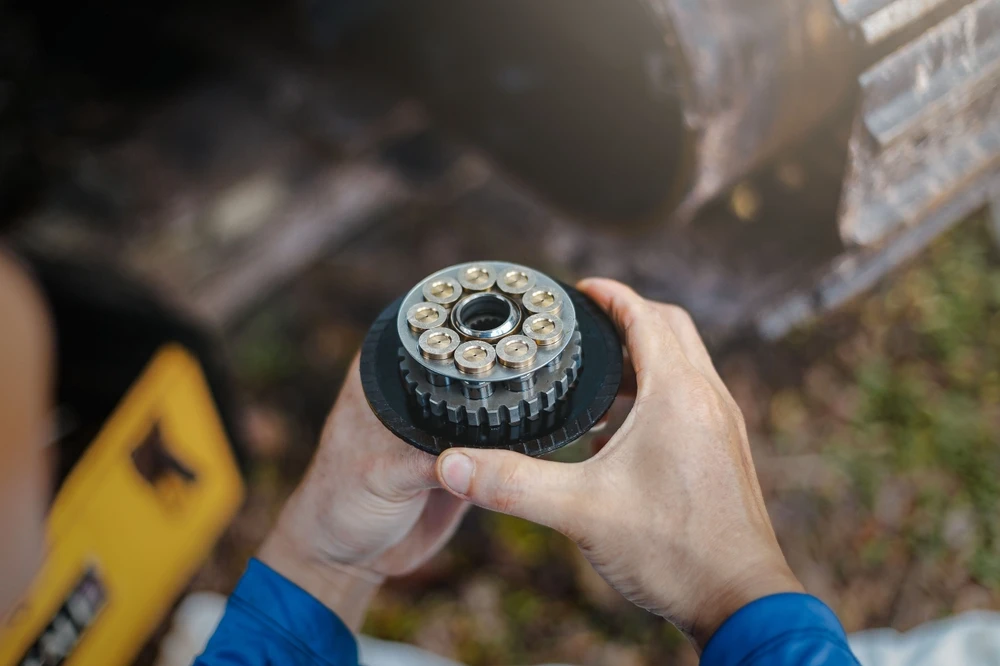
Every hydraulic component experiences wear over time, but the rate of that wear depends heavily on operating pressures, workload, contamination levels and run hours. Understanding these factors makes it possible to plan rebuilds before performance drops or unexpected failures occur. By managing component life proactively, businesses can avoid costly downtime, extend equipment lifespan and maintain consistent system efficiency. Scheduled overhauls also give operators the advantage of choosing downtime windows that fit their workflow rather than reacting to sudden breakdowns.
Rebuild schedules work best when they reflect real usage conditions. By tracking how long equipment runs, the pressures it operates under and the number of load cycles completed, technicians gain a clear picture of how close components are to reaching their service limits.
A planned rebuild restores system efficiency, prevents emergency failures and ensures that wear-related issues are addressed before they impact productivity. This approach also allows maintenance teams to budget for repairs and schedule downtime strategically.
Hydraulic components usually show early signs of deterioration long before they fail completely. Identifying these indicators helps prevent larger issues and allows maintenance planning to be more controlled and cost-effective.
A pump producing slightly less flow or a system feeling slower under load often signals internal wear.
Scoring inside cylinders or uneven valve spool wear are common signs of components nearing the end of their service life, often detected during inspections or diagnostic testing.
Operators often notice small changes before they appear in data. Differences in reaction time, sound, or the feel of a machine can indicate deeper issues developing inside the system.
Replacing essential components early can prevent system-wide damage and ensure equipment continues to perform reliably under demanding conditions. Some parts simply do not last as long when exposed to the heat, vibration and contamination common in Australian environments.
Heat, UV exposure and vibration can weaken hoses, increasing the risk of sudden bursts.
When seals harden or crack, internal leaks and pressure loss can quickly follow.
Filters that are nearing blockage slow fluid movement and trap heat, increasing strain on pumps and valves.
Industries such as mining, civil construction and large-scale agriculture often operate under tight deadlines and extended hours. For these businesses, downtime carries substantial financial and operational consequences, making quick access to skilled technicians essential. Maintaining uptime requires a combination of proactive planning, fast diagnostic capability and immediate access to replacement parts. When these elements work together, equipment stays productive, delays are minimised and projects continue moving without unnecessary disruption.
Round-the-clock servicing ensures that support is available whenever equipment fails, regardless of whether it happens overnight, early in the morning or during weekend operations. Mobile service units equipped with tools, fittings, test equipment and essential parts allow technicians to diagnose and repair issues directly on site.
Rapid onsite support reduces the need to transport machinery to a workshop, speeds up repair times and gets equipment back into service without significant interruption. This capability is especially critical for remote or high-demand industries that cannot afford long delays.
Fast field response keeps operations moving by addressing issues at the moment they occur. Onsite diagnostics provide immediate clarity on the cause of failure, allowing technicians to resolve the fault quickly and accurately.
Hose replacements, leak repairs and pressure testing can often be completed immediately, restoring functionality on the same day.
Testing the system where it failed eliminates guesswork and shortens troubleshooting time.
Many operations run outside standard business hours. Servicing that aligns with these timeframes keeps projects on schedule and reduces idle time.
Having the right spare parts on hand is one of the most effective ways to minimise downtime. Stocking critical components ensures repairs begin immediately rather than being delayed by supplier lead times. Standardising components across machines also simplifies the maintenance process and reduces the number of different parts needed.
When common wear parts are readily available, technicians can start repairs instantly.
Purchasing frequently used parts in bulk lowers the cost per component.
Standardised equipment performs more predictably, allowing maintenance teams to work more efficiently and reducing the likelihood of compatibility issues.
Australian work environments are some of the toughest on hydraulic systems. Heat, dust, vibration, moisture and corrosive conditions all accelerate wear and place additional stress on components. To keep machinery reliable, maintenance strategies must account for these harsh realities. By strengthening system protection, improving environmental defences and controlling contamination at every stage, operators can significantly extend equipment life and maintain stable performance even under challenging conditions.
Environmental exposure is one of the biggest factors affecting hydraulic reliability. High temperatures lead to faster oil degradation, dust works its way into fittings and seals, and moisture or salt can create corrosion that spreads internally. Protecting systems from these forces helps prevent premature wear and reduces the risk of unexpected failures.
Clean coolers, unrestricted airflow and correct fluid selection help maintain safe operating temperatures and prevent heat-related breakdowns.
Using sealed connectors, regular cleaning, protective covers and effective filtration reduces abrasive particles entering the system.
Protective coatings, regular washdowns and proper storage practices help slow corrosion in coastal or high-moisture environments.
Hydraulic fluid is one of the most critical factors in system health. Even tiny amounts of contamination can increase wear, reduce efficiency and cause costly component failures. Maintaining clean fluid from storage to operation is essential for long-term reliability.
Using sealed containers, filtered pumps and dry storage areas keeps unwanted particles and moisture out of the system.
Regular testing for water, varnish, oxidation and metal particles provides early warning of internal issues and helps refine maintenance schedules.
Choosing the right micron rating and monitoring differential pressure indicators ensures filters are replaced before they restrict flow and cause overheating.
Hydraulic reliability comes from servicing that reflects real operating conditions. When preventive maintenance, accurate diagnostics and timely component management work together, machinery stays safer, more efficient and far less likely to fail. At Taminda Hydraulics, we focus on practical servicing strategies that help operators reduce downtime and keep their equipment performing reliably in every environment