Hydraulic system servicing in Tamworth sit at the heart of productivity in both agriculture and mining, with every hour of downtime cutting directly into yield and profitability. From tractors and harvesters to loaders, drills and processing plants, operators rely on hydraulic power for consistent performance in harsh conditions. When these systems fail, the result is often missed deadlines, disrupted schedules and higher maintenance costs. Understanding why hydraulic downtime occurs is the first step towards keeping machinery working efficiently for longer and protecting the investment in critical equipment.
In this article, Taminda Hydraulics & Engineering examines the most common causes of hydraulic downtime seen on farms and mine sites, including contamination in fluids, hose and fitting failures, overheating, incorrect system setup and a lack of preventative maintenance. Readers will see how each of these issues develops, what warning signs to look for and how targeted maintenance and better component selection can reduce unexpected breakdowns.
By drawing on our practical field experience and repair data, our team aims to give owners, operators and maintenance managers clear insight into where hydraulic systems are most vulnerable and what can be done to keep essential equipment operating safely and reliably.
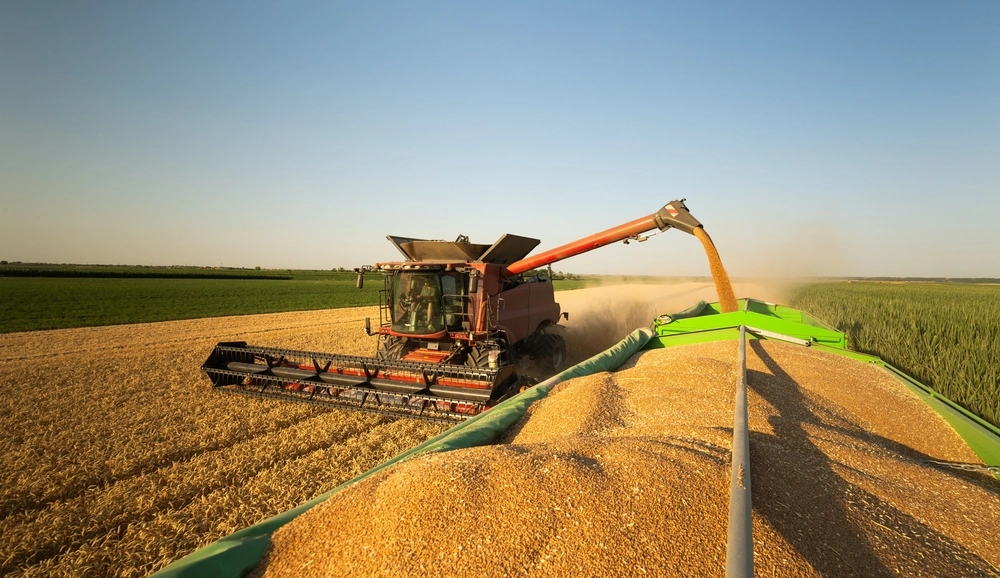
Contaminated fluid is one of the fastest ways to bring hydraulics to a standstill in both agriculture and mining. Dirt, moisture and metal particles quickly damage pumps, valves and cylinders, which leads to slow, jerky movements, overheating and sudden component failure. In harsh working environments like paddocks and mine sites where dust, mud and water are everywhere, keeping oil clean is critical to avoiding costly downtime.
We regularly see contamination at the root of repeat breakdowns that were first blamed on “bad pumps” or “weak hoses”. Once the fluid is tested and cleaned and proper filtration is in place, performance usually stabilises and component life increases.
In agriculture and mining most contamination starts outside the system and then works its way in. Common entry points include breather caps, damaged seals, quick couplers and poor filling practices.
Tractors, harvesters and earthmoving equipment often operate in heavy dust that is drawn into reservoir breathers as the oil level rises and falls. If breathers are not filtered or are blocked and left off air, fine dust enters freely. On mine sites high-pressure washdowns can force water past worn gland seals or damaged boots, particularly on cylinders and steering rams.
Poor housekeeping during oil changes is another frequent cause. Using unsealed drums, open funnels, dirty jugs or leaving ports uncapped during hose replacement allows airborne dust or rain to fall directly into the system. In mobile plants with multiple attachments, quick couplers are a weak point. If couplers are dropped into dirt or not wiped before connection, abrasive grit is carried straight into the circuit.
Once inside the system, solid particles and water begin to attack components every time the machine is started. Hard particles score pump housings and valve spools, which increases internal leakage and reduces efficiency. Operators then notice slow cycle times, sluggish steering or loss of lifting power.
Contamination also damages seals and hose internals, which leads to further leakage and internal rubber particles circulating in the oil. In mining equipment running high pressures, even minor scoring can turn into major failures, such as cracked housings or seized motors that stop production.
Water is especially harmful in cold or humid conditions. It reduces lubricity, so metal surfaces run “dry” and wear faster. It also promotes rust inside cylinders and valves, and in some fluids it encourages varnish and sludge that cause sticky valves and hot oil. In winter or overnight, condensation can be enough to raise water content above safe limits if breathers are not effective.
Preventing contamination is significantly cheaper than repeatedly replacing pumps or cylinders. We recommend a few key practices that suit local farming and mining conditions.
Use quality filtration sized correctly for the machine and service interval. This typically means pressure filters protecting sensitive components and return line filters capturing wear debris before it reaches the tank. Reservoir breathers should be upgraded to desiccant or high-efficiency types on equipment that works in dust or humidity, and they must be replaced on schedule.
During maintenance keep everything capped, clean and dry. Plug hoses and ports as soon as they are opened, store oil in sealed drums under cover and use dedicated clean transfer pumps or jugs. For attachments, keep quick couplers off the ground and wipe them thoroughly before connecting.
Regular oil sampling is one of the most effective tools to catch problems early. Particle counts and water content highlight contamination long before the operator feels a loss of performance. This allows planned filter changes, repairs or system flushing instead of unplanned breakdowns in the paddock or on the bench in the pit.
Hose, seal and fitting problems are among the most common causes of unexpected hydraulic downtime on farms and mining sites. They often begin as minor leaks, abrasion marks or slightly loose couplings but can quickly escalate into burst hoses, pressure loss and costly hydraulic oil cleanup. Because these components are exposed and constantly under stress, they are frequently the first point of failure in harsh regional operating conditions.
In agriculture and mining, long operating hours, vibration, dust, chemicals and high temperatures accelerate wear on rubber and polymer components. Understanding why hoses, seals and fittings fail allows equipment owners to establish effective inspection routines, select appropriate specifications for their machinery and address issues early before a minor defect turns into a major breakdown.
Hydraulic hoses most often fail due to abrasion, incorrect routing, overpressure or age. On tractors, harvesters and earthmovers, it is common to see hoses rubbing against chassis rails, guards or even other hoses. Over time, this wears away the outer cover, allowing moisture and grit to attack the reinforcement layer until the hose eventually blisters or bursts. Tight bends or twisting during installation also place unnecessary stress on the reinforcement and significantly shorten hose life.
Pressure spikes caused by sudden valve closure or blocked lines can exceed the hose’s rated capacity, resulting in pinhole leaks or sudden rupture. Heat from nearby exhaust systems or hot engine components can harden the hose cover and inner tube, leading to cracking and leaks at the hottest points. UV exposure further accelerates deterioration on exposed boom lines and attachments.
Regular inspection is essential. Look for flat spots, exposed wire, cracking at the ferrules and any signs of oil misting. Hoses that appear swollen, blistered or feel unusually soft or brittle should be replaced before failure occurs. Using correctly sized clamps, protective sleeves and improved hose routing can significantly extend service life and reduce the risk of unplanned downtime.
Cylinder rod seals, pump shaft seals and valve seals degrade over time from contamination, heat and incorrect fluid. In agricultural and mining environments airborne dust and dirt quickly become abrasive once they enter the oil. If wiper seals on cylinder rods are worn or damaged, fine particles are drawn past the main seal, scratching the rod and creating leak paths.
Excessive system temperature hardens elastomer seals so they lose elasticity and start to seep. Using the wrong seal material for the oil type or temperature range has the same effect. Seals can also be cut during assembly if bores and rods are not properly cleaned or chamfered.
Regularly wiping exposed cylinder rods, checking for wetness around glands and inspecting under machine frames for fresh oil patches helps catch seal issues early. When leakage increases or cylinders drift under load, it is usually more economical to reseal the component than keep topping up oil and risking a full failure.
Loose, overtightened or mismatched fittings often trigger sudden outages. Vibration on graders, loaders and drilling rigs can loosen threaded connections if they are not correctly torqued or if incorrect adaptors are used. Overtightening can crack fittings or deform flares and tube ends, which leads to hairline leaks that worsen under pressure.
Using fittings with the wrong thread type or seal style is a common issue when parts are sourced in a hurry. Mixing BSP, JIC, ORFS and metric fittings without proper adaptors can damage threads and compromise sealing surfaces.
Routine checks should include feeling for oil on and below fittings, verifying clamp integrity on hose tails and confirming that protective caps are used on disconnected lines to keep out dirt. When a fitting is replaced, cleaning the mating surfaces and using the correct sealant or O-ring is critical to avoid repeat leaks and unplanned downtime.
Hydraulic systems in agricultural and mining equipment often fail not from broken parts but from excessive heat. When hydraulic oil runs too hot, it loses viscosity, seals harden or crack and metal components wear rapidly. Preventing overheating is one of the most effective ways to avoid costly downtime in tractors, harvesters, loaders, drills and mobile plants.
Overheating usually develops gradually. Operators may notice sluggish response, noisy pumps or repeated hose failures before a major breakdown occurs. With the right thermal control strategy, we can help keep operating temperatures within safe limits and extend component life.
In both farming and mining applications hydraulic systems work for long periods under high load, which naturally generates heat. Problems begin when the system cannot shed that heat fast enough. Common causes include undersized or blocked oil coolers, clogged return line filters that restrict flow and excessive system pressure.
Wrong oil selection is a frequent issue. Oil that is too thin at operating temperature leaks past clearances and converts energy into heat. Oil that is too thick at start-up forces the pump to work harder, which also raises the temperature. Continuous use of high-flow attachments or implements at low engine speed can cause poor cooling fan performance that further increases oil temperature.
In a mining plant it is common to see additional heat loads from nearby engines, gearboxes or hot exhausts. In agriculture, slow ground speeds in hot Tamworth summers with radiators and coolers packed with dust and chaff can push oil temperatures well beyond the safe range.
Operators and maintainers can pick up early signs of overheating before major damage occurs. Oil that smells burnt or appears very dark, unusually hot return lines or tanks that are uncomfortable to touch and repeated seal failures all point to thermal stress. A noticeable drop in machine performance once it has been working for a while is another warning.
Where oil temperature gauges are fitted, any regular running above about 80-85 °C for standard mineral hydraulic oils should be investigated. Temperatures above 90-95 °C significantly shorten oil life and accelerate oxidation, which leads to varnish and sticky valves.
Effective thermal control begins with correct system design and must be maintained through disciplined servicing. Key actions include:
For heavy mining or high-duty agricultural work, upgrading cooling capacity is often worthwhile. This may involve fitting larger or more efficient coolers, installing thermostatically controlled electric fans or adding dedicated oil coolers to high-heat circuits.
Checking system pressure and flow with appropriate test equipment helps identify underlying causes of overheating, such as relief valves set too high, worn pumps that recirculate oil internally or undersized hoses that generate excess heat through restriction.
System layout also plays a role. Assessing tank size, oil routing and component placement can reduce heat soak from engines and drivetrains. With proper thermal management in place, operators benefit from more consistent performance, extended oil life and a significantly lower risk of sudden hydraulic failure in the field.
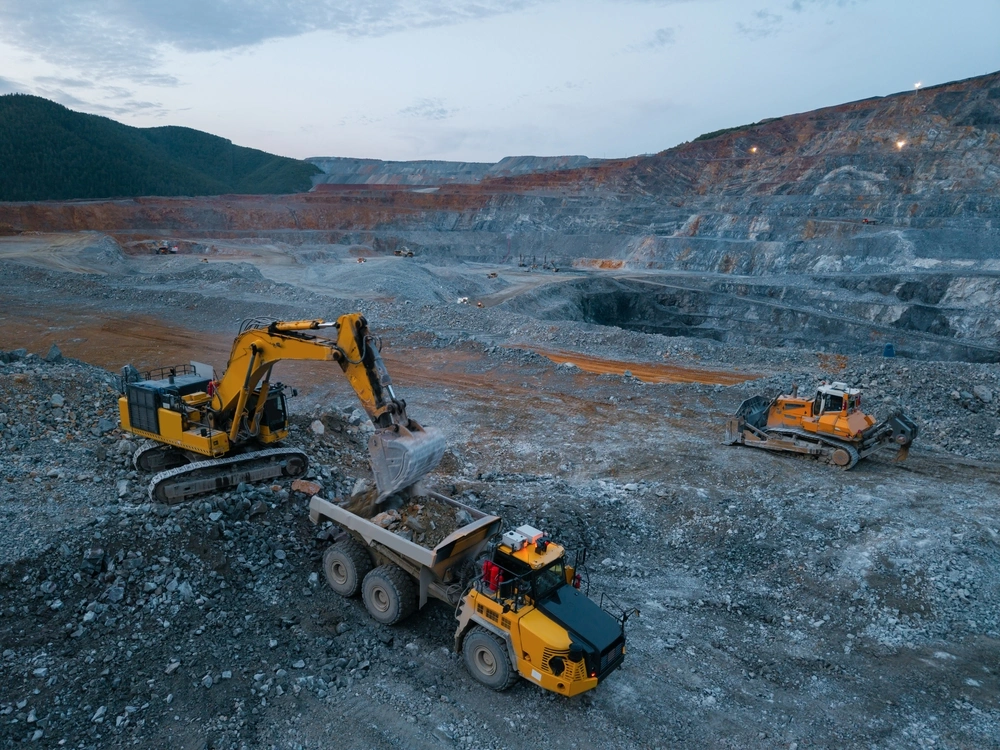
Incorrect operating practices are one of the fastest ways to turn a healthy hydraulic system into unexpected downtime. In both agriculture and mining, machines are often pushed hard to meet deadlines, which makes it tempting to ignore limits or shortcuts in start-up and shut-down routines. Over time this abuse shows up as blown hoses, overheated oil, damaged pumps and erratic control performance.
By understanding how day-to-day habits affect hydraulic components, operators and supervisors can prevent many failures before they start. The most common issues relate to overloading, poor warm-up and shutdown habits and bypassing basic pre-start checks.
Running equipment outside its design envelope is a leading cause of hydraulic breakdown. Examples include lifting more than the rated load on telehandlers or loaders, pushing mining attachments into hard faces without relief or running implements at higher than specified pressures.
Overloading forces the hydraulic pump to work at maximum displacement and pressure for long periods. This increases heat generation and accelerates wear on pump bearings, valve spools and cylinder seals. Relief valves may be forced open constantly, which contaminates the oil with metal particles and causes oil foaming.
Agricultural operators sometimes increase system pressure to get more breakout force from front-end loaders or rippers. In mining, fitters may be asked to “turn it up a bit” on drills or hammers. While it can deliver short-term gains, it usually shortens hose life and leads to cracked fittings and premature cylinder rod scoring.
Hydraulic oil performs best within a specific temperature range. Starting work at full load with cold oil or shutting down hot systems abruptly can both create problems.
In cold conditions operators often skip warm-up and go straight to heavy work. Cold oil is thicker and does not flow freely through valves and small passages. This can cause cavitation in pumps as they struggle to draw oil, which chips away at internal surfaces and introduces metal shavings into the system. Simple practices like idling the machine, cycling functions slowly and watching temperature gauges help bring oil to a safe working range before full load.
Improper shutdown practices are just as harmful. Stopping a machine while hydraulic components are still at maximum temperature and pressure can cause localised heat soak and damage seals. Failing to lower booms, buckets or attachments can leave cylinders under load, which stresses seals and rods while the machine is idle.
Many operators work under time pressure and skip basic checks that would otherwise detect early hydraulic problems. Routine pre-start inspections, such as confirming oil levels, checking for hose damage or leaks and cleaning around breathers, are often treated as optional rather than essential.
Ignoring early warning signs is another common issue. Slow system response, unusual pump noise, jerky cylinder movement or sudden temperature increases are sometimes dismissed in mining and agriculture as “just how that machine runs.” Over time, these small symptoms escalate into burst hoses, seized pumps or complete system failure.
Clear site procedures that require short daily inspections and immediate reporting of hydraulic changes significantly reduce breakdown risk. Addressing small leaks, tightening fittings and checking for filter restrictions as soon as they appear is far less costly than recovering a failed machine from a paddock or underground bench.
Delayed or inadequate maintenance is one of the most common and preventable causes of hydraulic downtime in agriculture and mining. When servicing is pushed back to “after the season” or “when the machine is quieter,” small issues can quickly become hose bursts, pump failures or contaminated systems that stop equipment in its tracks.
This pattern shows up repeatedly across farms and mine sites. Components that could have been serviced during a planned shutdown often fail unexpectedly in the paddock or on the bench. Basic proactive maintenance, carried out on schedule, is far cheaper and far less disruptive than emergency repairs in the field.
Hydraulic systems rely on regular inspections to catch problems before they become failures. When daily or weekly checks are skipped, small issues are not picked up. For example, a slightly weeping hose fitting can turn into a full rupture under peak load. A minor pump noise can progress to full pump seizure.
In both agriculture and mining it is common for machines to run harder during harvest or peak production.
If 250‑hour or 500‑hour services are delayed, seals run dry, filters clog and operating temperatures climb. This accelerates wear on pump valves and cylinders and can cause:
Our technicians recommend simple visual checks before shifts, including hose condition, leaks around fittings, damage to cylinder rods, oil level in the reservoir and unusual noises when functions are operated. Building these checks into pre‑start procedures greatly reduces surprise failures.
Hydraulic oil quality is critical, yet it is often neglected. Extending oil life beyond recommended change intervals or using the wrong oil for the climate or duty cycle increases the risk of varnish, sludge and internal wear. In mining and broadacre farming, where dust, dirt and moisture are constant, contamination control becomes even more important.
Common maintenance issues include:
Contaminated oil damages pumps and valve spools and scores cylinder bores. The result is leaks, reduced efficiency and eventually full component failure. Setting clear oil sampling intervals, using correct filtration and storing oils and filters in clean, protected areas helps prevent contamination during servicing and extends overall system life.
Even when maintenance is attempted, it can be inadequate if carried out by untrained personnel or without proper procedures. Over‑tightened fittings can crack ports, and under‑tightened ones can leak. Incorrect bleeding can trap air in the system, which causes spongy operation and cavitation damage.
In both sectors we frequently see early failure of replacement components because torque settings were not followed, seals were installed dry or the system was not flushed after a major component change. To minimise downtime, equipment owners should:
By treating maintenance as an essential part of production rather than an optional extra, operators can significantly cut unplanned hydraulic downtime.
Hydraulic components on agricultural and mining equipment operate under constant high load, heat and contamination. Over time, this environment accelerates wear on pumps, motors, cylinders and valves, leading directly to pressure loss, erratic movement and unplanned downtime. Understanding how this wear develops and how it can be controlled is essential to keeping machines productive in harsh Australian conditions.
Across fleets, similar wear patterns tend to repeat. In most cases, failure is not sudden but the result of small internal clearances gradually increasing, surfaces scoring and seals hardening until the system can no longer maintain pressure or retain oil. Heavy implements, long duty cycles and repetitive shock loads are major contributors. In mining, this includes bucket impact against rock faces or rams supporting large dump bodies. In agriculture, it may involve front-end loaders carrying round bales or seeders operating across rough ground.
Pumps and motors experience continuous high-pressure forces as oil moves across extremely tight internal clearances between gears, vanes or pistons. As these clearances wear even slightly, internal leakage increases, oil temperature rises and the rate of wear accelerates. Common symptoms include slower cycle times, reduced lifting capacity and the need to run the engine at higher revs to achieve the same response.
Cylinders are particularly vulnerable when used as structural members. Side loading of rams, such as when a grader blade or loader arm twists under load, forces the rod against the gland and barrel. This causes uneven wear, rod scoring and premature seal failure, eventually leading to external leaks and loss of holding pressure.
Dust, moisture and chemical fertilisers or mine slurry can quickly turn hydraulic fluid into a cutting compound if contamination is not properly controlled. Fine dirt particles trapped between pump or valve surfaces scratch hard-facing and increase internal tolerances. Over time, this results in spongy controls, drifting cylinders and noisy pumps.
Cylinder rods are constantly exposed to soil, dust and corrosive materials. If rod coatings become chipped or pitted, those imperfections pass through the seals with every stroke. This damages seal lips and drags contaminants back into the system. In coastal or fertiliser-handling applications, corrosion can develop rapidly if rods are not correctly specified or adequately protected.
Regular oil analysis, combined with effective filtration and timely filter changes, is one of the most reliable ways to slow abrasive wear. In harsh regional conditions, upgrading to higher-efficiency return and pressure filters can significantly improve contamination control and extend component life.
High operating temperatures thin the oil and strip away its lubricating film. In summer heat or in machines with marginal cooling systems, this is a common root cause of rapid wear. Hot thin oil leaks more internally through pumps and valves, which further increases heat and speeds up component damage.
Seals and hoses harden and lose elasticity when continually exposed to elevated temperatures. Once seals lose their flexibility, they cannot maintain tight contact against moving surfaces, which leads to internal bypass in cylinders or external leaks. In mining and heavy tillage work long periods of high pressure magnify this problem.
Proactive steps such as checking cooler performance, ensuring the correct oil grade for the local climate and replacing cheap generic seals with quality compounds suitable for temperature and fluid type help extend component life. Regular inspection for glazing, cracking or flattening of seals during scheduled maintenance gives early warning before a failure stops the machine in the paddock or on the bench.
Minimising hydraulic downtime in agriculture and mining ultimately comes down to understanding where systems most commonly fail and putting disciplined, practical controls in place to prevent it. Across our discussion of contamination, hose and seal failures, heat and oil breakdown, incorrect component selection, poor installation, operator error and neglected preventative maintenance, the pattern is clear: most breakdowns are avoidable.
By tightening up housekeeping around fluids and filtration, standardising on quality components, scheduling routine inspections, aligning equipment setup with actual duty cycles and investing in proper training, you can significantly reduce unplanned stoppages, repair bills and safety risks. In environments as demanding as farms and mine sites, hydraulics will always be mission-critical; the choice is whether your hydraulic system is a constant source of disruption or a reliable asset that quietly does its job day after day. The businesses that win are the ones that treat hydraulic reliability as a strategic priority, not an afterthought and partner with specialists who can help turn that priority into a practical, site‑specific plan.