Hidden hydraulic problems in heavy equipment rarely announce themselves early. Instead, they build quietly in the background until a hose bursts on a critical job, a cylinder loses power on a slope or a pump fails under peak load. Taminda Hydraulics & Engineering sees the same patterns repeat across fleets of excavators, loaders, agricultural machinery and industrial plants. Many of the breakdowns do not come from obvious abuse or simple wear. They come from less visible issues that undermine reliability.
In this article, hydraulic technicians explore custom hydraulic engineering in Tamworth, the hidden causes that often sit behind hydraulic failures in heavy equipment and the warning signs operators and maintenance teams can easily miss. Readers will learn how microscopic particles and moisture shorten component life, how temperature and fluid condition affect power and efficiency, how misalignment and poor plumbing create chronic stress within a circuit and how minor shortcuts can lead to major downtime. Understanding these factors allows owners and managers to move from reactive repairs to targeted prevention, reduce unplanned stoppages, extend component life and keep heavy equipment working safely at the performance levels the job demands.
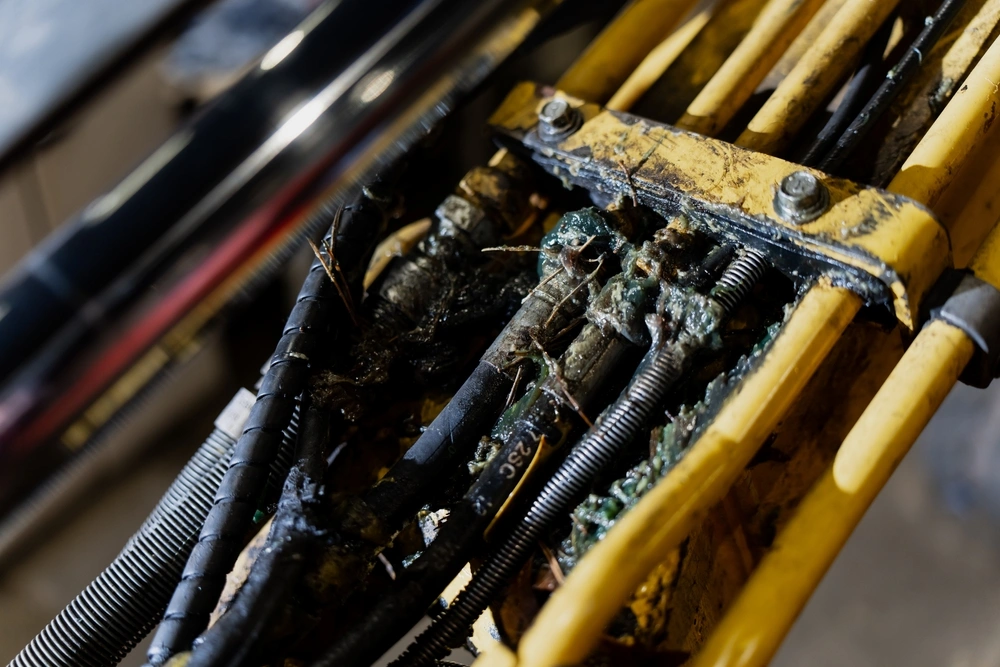
Routine servicing is meant to protect hydraulic systems, yet a large proportion of failures start right after maintenance work. The system is opened, components are changed and oil is topped up, which is exactly when dirt, moisture and metal particles are most likely to get in. These contaminants then circulate at high pressure and speed up wear in pumps, valves and actuators.
For heavy equipment operators, this is a hidden cause because the machine often leaves the workshop running well. The damage shows up weeks or months later as slow operation, overheating, noisy pumps or sudden component failure. Careful maintenance practices are one of the most effective ways to prevent repeat breakdowns.
The most common pathway is through open ports and hoses. If fittings are removed without first cleaning around them, dust and grit are dragged straight into the oil. Rags that shed fibres or have metal swarf in them can also be a serious source of contamination when used to wipe threads or dipsticks.
Oil top-ups and changes are another risk point. Using oil from unsealed drums, open containers or funnels stored on benches exposes the system to airborne dust and moisture. Even new oil can be contaminated if drums are left uncapped in a workshop or yard.
Filter changes can introduce problems when old filters are removed carelessly or new elements are fitted without checking cleanliness. Any dirt on the filter head is pushed into the housing and then carried through the system on startup. Similarly, leaving hoses, cylinders or components uncapped while a machine waits for parts allows contaminants to enter by gravity and condensation.
The good news is that relatively minor changes in maintenance practices can reduce these risks. Technicians focus on a few key controls that any operator or mechanic can apply:
Thoroughly clean around fittings, breathers, filter heads and hose ends before cracking them open
Use proper caps and plugs on every open hose, pipe and component as soon as it is disconnected
Store hydraulic oil in sealed containers and use dedicated clean funnels and transfer pumps only for hydraulics
Using lint-free wipes instead of rags helps avoid introducing fibres that can block fine valve clearances. Where possible, filling through a fine filtration unit instead of pouring directly into the tank reduces the particle load of even new oil.
Work area cleanliness has a direct impact on hydraulic life. A dusty workshop floor, with grinding nearby or air hoses blowing off dust, increases the chance that particles settle into open systems. System specialists maintain clean benches for hydraulic work and separate grinding and machining from assembly areas.
Training is just as important as tools. Making sure everyone who services machines understands that most hydraulic failures are related to contamination encourages consistent habits, such as capping every line and never reusing dirty containers. With disciplined maintenance practices, the risk of hidden contamination is greatly reduced and hydraulic components last much closer to their designed service life.
Excess heat is one of the most common hidden causes of hydraulic failure in heavy equipment. Unlike a leaking hose or a noisy pump, temperature problems often creep up slowly. By the time components discolour, seals harden or oil smells burnt, a lot of internal damage has already occurred.
Equipment often works in hot ambient conditions with dust and long duty cycles. That environment makes marginal cooling or slightly incorrect settings much more serious. Monitoring and controlling heat is critical if operators want to avoid sudden breakdowns that seem to come from nowhere.
Hydraulic oil is designed to work within a temperature band. Once oil regularly runs above about 80°C, its protective additives start to break down. The oil thins out, so pumps and valves lose lubrication and metal contact increases. This accelerates internal wear on pumps, motors and spool bores.
Seals and hoses are especially vulnerable. Constant exposure to high oil temperature causes elastomers to harden, crack or extrude. The result is external leaks or internal bypassing, which further reduces system efficiency and generates even more heat. Eventually, fittings can loosen as repeated thermal expansion and contraction work them free.
Heat also accelerates oxidation. Oil darkens and forms varnish that sticks to valve spools and servo components. Machines may then show intermittent slow operation, sticky controls or drifting cylinders long before a total failure. To the operator, it looks like an electrical or control problem when the root cause is long-term overheating of the hydraulic circuit.
Some heat sources are obvious, such as a blocked cooler, but many are subtle. Common unseen contributors include:
Engine coolers, air conditioning condensers, transmission coolers and hydraulic coolers share the same airflow. If one core is packed with debris, the whole stack runs hotter, which quietly pushes hydraulic oil temperatures up during the day.
To catch heat problems early, operators should treat temperature like a vital sign. Installing a simple oil temperature gauge in the return line or tank gives a quick view of how hard the system is working. Any consistent rise in normal operating temperature usually indicates a restricted, misadjusted valve or cooling issue.
Regular cleaning of coolers with low-pressure air or water directly onto fins helps maintain airflow. During services, technicians can check relief valve settings, inspect for internal bypassing with flow and pressure tests and confirm the oil grade suits the machine and local conditions. By treating small temperature increases as an early warning rather than an annoyance, owners can prevent the hidden heat build-up that eventually causes unexpected hydraulic failures.
Pressure spikes are brief, intense surges in system pressure that go beyond what the hydraulic components were designed to handle. They are often too fast for standard gauges to show, yet they can be powerful enough to crack fittings, damage pumps or cause seals to fail unexpectedly.
For heavy equipment operators, pressure spikes can be triggered by rough operating conditions, sudden load changes or incorrect adjustments to relief valves. Identifying and controlling these events is critical for preventing repeat failures and unplanned downtime.
When pressure rises faster than the system can relieve it, that extra energy looks for the weakest point. This can include thin-walled hoses, crimped fittings, cylinder rod seals and even cast housings on valves or pumps.
Common results of repeated spikes are:
Because spikes are transient, they rarely correlate neatly with gauge readings taken during routine checks. A machine can appear to be running at safe working pressure while still being hit by damaging peaks every time a function is snapped shut or a heavy load is dropped.
One of the most frequent hidden causes is sudden valve closure. Slamming a directional control lever from full flow to neutral or engaging solenoid valves without proper cushioning can cause water hammer in the hydraulic lines. This is similar to a plumbing hammer in a house, but at far higher pressures.
Other contributors include:
In mobile plants commonly used around site conditions, such as hitting rock pockets, snagging attachments or sudden swing stops on cranes and excavators, spikes can be created.
Controlling spikes starts with correct system setup. Relief valves must be set within the component manufacturer's limits using calibrated test equipment. Where shock loads are expected, accumulators or dedicated shock valves should be installed and correctly precharged to the specified nitrogen pressure.
Operator habits matter as well. Smooth lever operation, avoiding sudden dead stops at the end of the cylinder stroke, can reduce spike intensity. On machines with electronic controls, ramp times can often be adjusted so valves open and close more progressively.
Detection often requires more than a simple panel gauge. Temporary installation of data-logging pressure sensors or high-speed gauges allows technicians to record pressure and identify hidden spikes. These professionals can then recommend targeted changes such as hose rerouting, adding dampers or resizing lines to bring peak pressures back inside safe design parameters.
Poor hose routeing looks like a small shortcut during fabrication or a quick field repair, but it is a major hidden cause of hydraulic failures. Incorrect bend radii, twisted hoses and chafing wear the reinforcement from the inside out, so the system may appear fine until a hose bursts under load. Getting routeing right at the start is far cheaper than repeated hose changes and unplanned downtime.
Technicians regularly see failures that could have been avoided with basic routeing discipline. Understanding what actually goes wrong in the hose layout helps operators and maintenance teams spot risky installations before they fail.
One of the most common shortcuts is forcing a hose to turn too sharply to fit a tight space. Every hose has a minimum bend radius specified by the manufacturer. When that is exceeded, the inner tube wrinkles, the reinforcement separates and the hose fatigues quickly.
Practical warning signs include a hose that looks oval at the bend, visible flattening or a slight kink directly behind a fitting. These areas run hotter, suffer higher pressure spikes and tend to split or bubble. On mobile plant, like loaders and excavators, this often shows up around boom hinge points or under cabs where hoses are squeezed around the structure.
To avoid this, Taminda Hydraulics & Engineering recommends using:
A short, tight hose might look neat, but it usually fails early.
Hose assemblies are designed to work under pressure and bending, not in torsion. When a hose is twisted during installation, its steel reinforcement is permanently stressed. The result is external blistering, broken wires and premature bursts, often along the outside of a bend.
A twist typically occurs when the fitter tightens both ends without holding the hose body or when a swivel is left out to save a few dollars. It can also happen when clamps are installed first, then the hose is forced into them.
A simple field check is to look at any line markings on the hose cover. If the stripe spirals instead of running straight, the hose is under torsion. Using swivel fittings at moving joints, aligning angled fittings carefully and tightening one end at a time while controlling hose position all reduce this hidden stress.
Another shortcut is allowing hoses to rub on each other or on the structure. Vibration on heavy equipment turns light contact into deep grooves through the outer cover and into reinforcement. Failures from chafing are often misread as random bursts because the wear point is hidden in a bundle.
Risk areas include hoses passing through steel openings, running over sharp brackets or hanging loosely along the chassis. Correct practice is to support hoses with clamps at suitable intervals, use abrasion sleeves where contact is unavoidable and keep high-pressure lines away from sharp edges and hot surfaces.
Technicians often rework hose runs to add simple P‑clamps or guides. Small changes in spacing or angle prevent contact, making inspection easier and extending hose life.
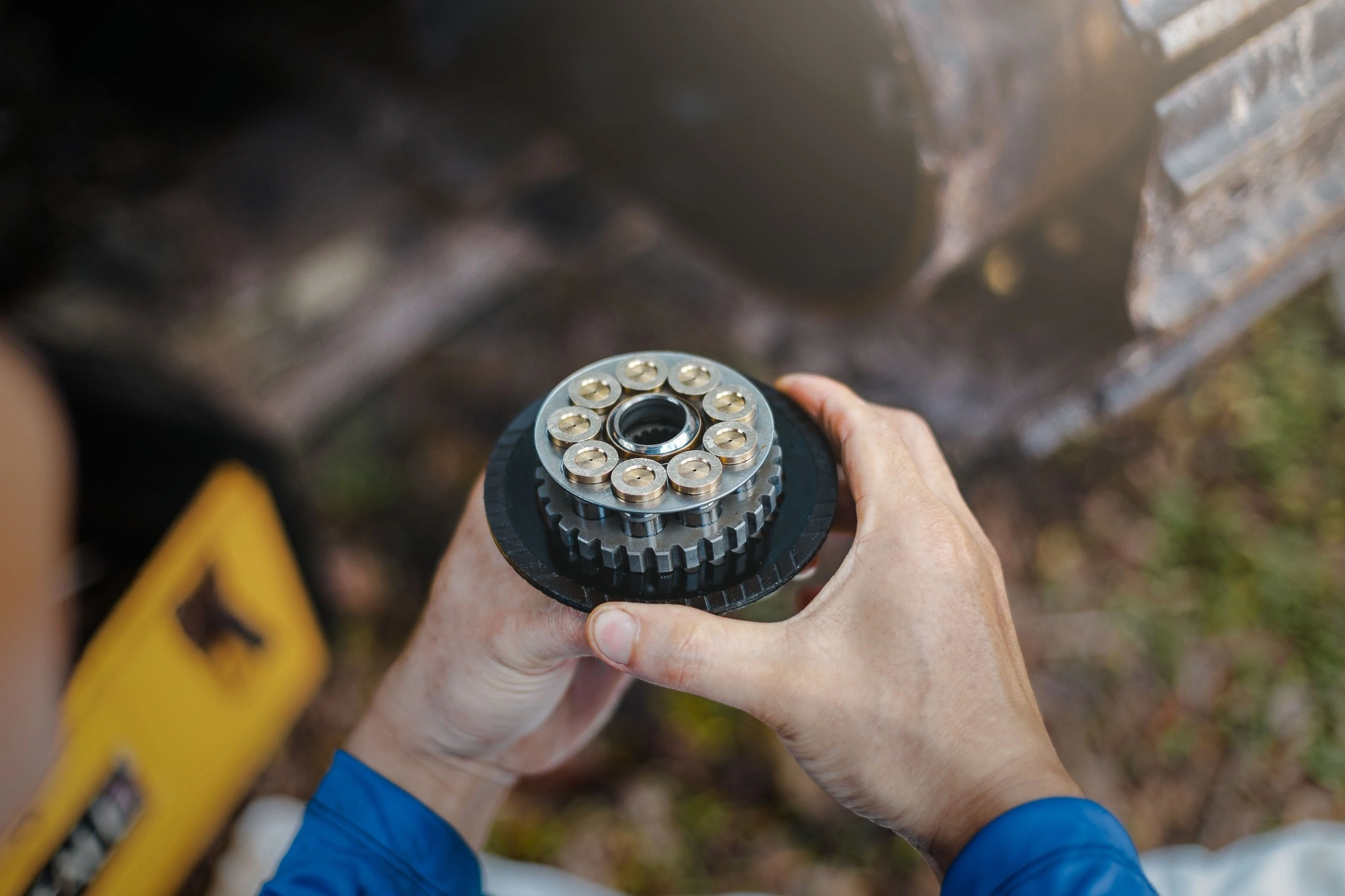
Mismatched or substituted hydraulic parts are a common but often overlooked cause of recurring failures in heavy equipment. Under pressure to keep machines running, it can be tempting to fit whatever hose, seal or valve is available. But even small deviations from the original specification can lead to overheating, internal leakage, blown hoses or premature pump failure.
For operators in heavy industries, the problem usually appears as a series of small issues rather than one dramatic breakdown. Hoses sweat oil, cylinders lose power or a machine runs hotter after a repair. In many cases, the root cause is a component that technically “fits” but does not match the pressure rating, flow requirement or material compatibility of the original design.
Hydraulic systems are designed as matched sets. Each hose, fitting, valve and seal is selected for a specific pressure range, flow rate and fluid type. When a part is substituted, even with the same size thread or port, it can upset the balance of the circuit.
Underrated hoses are a common example. A replacement hose with a lower pressure rating may hold during light work, but it will weaken each time pressure spikes. The result is bulging, blistering and then a sudden hose burst, often blamed on operator error rather than the wrong hose spec.
Incorrect valves or orifices can create pressure drops and heat. A cheaper general-purpose valve with smaller internal passages may restrict flow, causing the pump to work harder. Operators notice slow cylinder movement and rising oil temperature, which shortens the life of seals and the oil itself.
Using the wrong seal material is another hidden issue. A seal that looks identical in size may not be compatible with modern zinc additive hydraulic oils or high operating temperatures. Over time, the seal hardens or swells, leading to internal leakage, loss of lifting capacity and contamination of the oil with degraded rubber.
In the field, system specialists often see the same problem substitutions:
Each of these can operate for a short period, which hides the mistake. For example, a reduced bore adapter will still pass oil but increases velocity and turbulence. This accelerates erosion in fittings and can amplify pressure spikes that damage downstream components.
Preventing these issues starts with accurate identification. Part numbers on existing components should be recorded before removal. Where markings are missing, technicians will measure thread type, port size and hose construction and check the system pressure to specify a safe alternative.
Sticking to manufacturer specifications is critical. If an exact match is unavailable, they select parts that meet or exceed the original pressure, temperature and compatibility ratings and that maintain internal flow areas. Aligning brands across hoses, fittings and seals within a system also reduces the risk of subtle incompatibilities.
Repeated hydraulic failures are frustrating and expensive. Many operators replace the obviously damaged part only to have the same fault return weeks or months later. In other cases, the real cause was never removed from the system, or the repair itself introduced new problems that show up under load.
Understanding why failures come back helps maintenance teams ask better questions, specify the right work and insist on tests that confirm the entire hydraulic circuit is healthy, not just one component.
A cracked hose or a scored cylinder rod is easy to see, so it often gets the blame. In reality, visible damage is often only a symptom of something else going wrong in the system.
Common hidden root causes:
If a hose bursts because pressure spikes regularly, fitting a new hose will not stop the spike. If a pump fails because of dirty oil, a replacement pump will suffer the same fate unless the reservoir and lines are thoroughly cleaned and filters are replaced and checked.
Hydraulic oil carries any remaining wear particles, water and debris straight into new components. Even a high-quality replacement pump or valve will fail early if it is filled with contaminated oil at first start-up.
Repeat failures are common when:
Fine particles can be trapped in dead legs of piping or valve bodies and then break loose later. This can score new valve spools, create internal leakage and generate more heat. A proper repair for a contamination-related failure usually includes oil sampling, system flushing, new filters, cleaning or replacing suspect hoses and tanks and sometimes installing better filtration or breathers to stop the problem from returning.
Many hydraulic repairs look fine in the workshop but fail once the machine goes back to real work in quarries, farms or construction sites. The difference is load, duty cycle and heat.
Failures often repeat when:
For example, if a new pump is installed but the relief valve is still set too high, the pump will run hot and overloaded. The machine might work for a while, then suffer the same failure pattern. Technicians use load testing and correct instrumentation to confirm settings under real working pressures, so the system is stable before the equipment goes back into service.
Most hydraulic failures in heavy equipment aren’t really “mysteries” at all; they’re the result of small, easily overlooked issues that build up. Contaminated oil, incorrect fluid selection, heat stress, poor hose routeing, marginal filtration, rushed repairs and irregular maintenance all play a part. Across every machine and every site, the pattern is the same: when these fundamentals are ignored, components wear prematurely, systems lose efficiency, downtime increases and repair bills skyrocket. When they’re managed properly, machines run longer, more reliably and far more safely. By focusing on oil cleanliness, correct specification, proper installation, real-world operating conditions and disciplined preventive maintenance, uncover and eliminate the hidden causes of hydraulic failures.