Designing hydraulic systems for Tamworth’s harsh conditions means creating setups that can handle extreme heat, heavy workloads and dust-filled environments without breaking down. At Taminda Hydraulics & Engineering, we know that effective hydraulic system design in Tamworth is especially important for farmers, contractors and industrial operators who rely on hydraulics every day and cannot afford unexpected downtime. This matters because the wrong design choices can lead to overheating, contamination damage, constant repairs and costly equipment failure during peak work periods.
In this guide, you’ll learn the key environmental challenges in Tamworth, how to choose resilient components and fluids, which modern efficiency trends are worth considering and the practical steps we follow to build reliable hydraulic systems that last.

Tamworth is tough on machinery, and hydraulic systems are no exception. Equipment here often operates in dusty yards, paddocks and industrial sites where long work hours and high heat are common. Unlike controlled environments, Tamworth hydraulics must perform consistently while exposed to contamination risks and heavy-duty cycles.
A strong system design doesn’t just aim for peak performance. It aims for stable output all day, less wear over time and fewer failures when equipment is pushed hardest. Understanding local environmental pressures is the first step to designing hydraulics that last.
High temperatures affect how hydraulics behave, particularly through oil viscosity and seal performance. Once oil becomes too thin from heat, lubrication reduces and wear increases. Over time, that creates the type of failure pattern many operators experience: components working fine early, then gradually losing efficiency and becoming unreliable.
Dust introduces a second major risk. Even tiny particles can cause significant internal wear once they circulate through pumps and valves. It typically leads to issues like inconsistent operation, leaks and filters clogging earlier than expected.
Agricultural work also adds unique stress. Machines often run long hours during peak seasons and shift quickly between load levels. These sudden changes can create pressure surges and accelerate wear, especially if the system wasn’t designed with real duty cycles in mind.
Once the environment is clear, component selection becomes the foundation of long-term performance. In Tamworth conditions, a hydraulic system is only as reliable as its weakest component, whether that’s an underspecified hose, an inadequate breather, or seals not rated for temperature extremes.
The main goal is to select parts that suit real operating conditions, not just nominal ratings. This means ensuring components can handle heat, vibration, contamination risk and long-term servicing demands.
Hydraulic fluid does more than lubricate. It controls temperature, transfers energy, protects internal surfaces and supports sealing function. In Tamworth, fluid selection should always match both climate and workload because heat and long hours accelerate oil breakdown.
When oil breaks down, symptoms tend to show up as slower response, rising operating temperatures and increased internal leakage. These issues not only reduce performance but also speed up wear across the entire system.
For local hydraulic systems, fluid selection should consider:
Corrosion isn’t only a coastal problem. Tamworth hydraulic equipment can suffer corrosion through chemical exposure, washdowns, moisture in storage and condensation inside reservoirs. Over time, corrosion becomes contamination, and contamination becomes wear.
Instead of reacting to corrosion after it causes leaks or failures, strong hydraulic design includes preventative measures in material choice and component protection. That might involve selecting better coatings, using corrosion-resistant fittings where exposure is likely and protecting vulnerable hose runs.
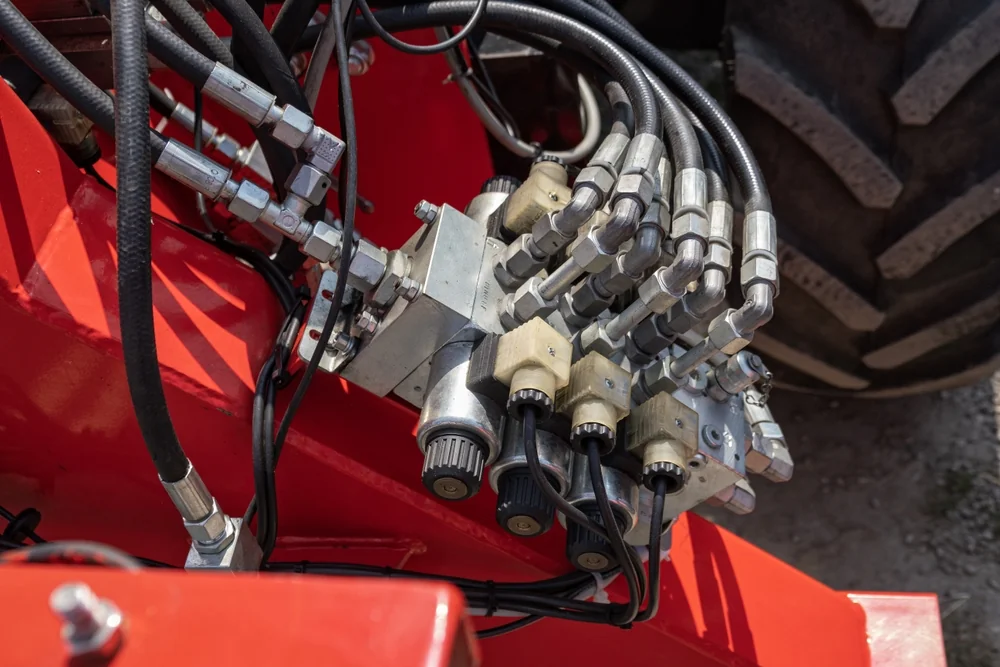
Across Australia, energy efficiency in hydraulic design is becoming far more common, especially in agriculture and high-use machinery. The benefits aren’t just environmental. Efficient systems generate less heat, waste less power and often deliver smoother and more consistent performance.
In real-world terms, energy efficiency is often about reducing restriction and poor flow design. The more pressure drop a system creates, the more energy it loses as heat, and heat becomes one of the most damaging forces in hydraulic systems.
Lightweight design trends are becoming more common in mobile equipment. A more compact system layout can reduce unnecessary hose length and fitting counts, making the system more efficient and easier to maintain.
Extended oil intervals are also gaining popularity, but they only make sense when supported by good system design. Longer oil life depends heavily on controlling contamination and managing operating temperatures. Systems designed for extended intervals typically include smart filtration planning and reservoir protection that prevents dust and moisture entry.
When done properly, this approach reduces downtime while protecting pumps, valves and cylinders from premature wear.
The most effective hydraulic systems are designed to prevent failure, not just to operate. In Tamworth, reliability issues often come from predictable causes: contamination ingress, thermal stress, pressure surges and vibration fatigue.
Designing for reliability means controlling those risks at the start. This leads to less downtime, more consistent operation and longer component life across the system.
Pressure spikes are one of the fastest ways to cause failure in hydraulics. They can occur during sudden load drops, abrupt valve movements, or when a circuit deadheads unexpectedly. If the system doesn’t have proper protection, these spikes can damage hoses, fittings, pumps and valves.
Thermal expansion matters as well. As oil heats, it expands and component tolerances shift. If design doesn’t accommodate operating temperature changes, seal wear increases, leakage becomes more common and system behaviour can become inconsistent.
Good pressure and thermal management design typically includes:
Tamworth conditions make contamination control essential. Dust and moisture ingress are among the biggest long-term contributors to hydraulic wear.
Rather than relying on filtration alone, a more effective approach combines:
Where contamination control is strong, performance remains more stable. Oil stays cleaner longer, seals last longer and component wear slows significantly.
Custom design is the stage where hydraulic systems become fit for purpose. The best designs are based on real workload requirements, not generic assumptions. In Tamworth, that’s especially important because hydraulic applications range widely from agriculture to industrial handling to construction machinery.
A practical custom design process involves understanding duty cycle, designing for servicing access and ensuring that component selection, filtration and routeing all work together as a complete system.
Tamworth’s demanding conditions require hydraulic systems designed for heat, dust exposure and heavy-duty cycles without constant failures. By selecting the right fluid for local conditions, using corrosion-aware materials, controlling contamination and managing pressure spikes and thermal expansion, hydraulic systems can remain stable and reliable long-term. At Taminda Hydraulics & Engineering, we focus on durability-first hydraulic design so Tamworth operators can reduce downtime, protect equipment investment and keep machinery performing year-round.