Choosing the right hydraulic power unit is one of the most important decisions any business can make when investing in machinery. The right setup keeps operations reliable, reduces breakdowns and supports long-term productivity. For businesses involved in hydraulic system design in Tamworth, selecting the correct power pack is not just about matching specifications on paper. It is about understanding how the system will operate day to day, under real workloads and local conditions. At Taminda Hydraulics, we work with operators across regional NSW who rely on hydraulic power every day, so we see firsthand how much difference the right power pack makes.
Whether you are running a workshop press, a drilling rig or heavy agricultural equipment, the ideal power pack depends on your workload, environment and expected duty cycle. Below is a practical breakdown to help Tamworth businesses understand their options and make confident decisions.
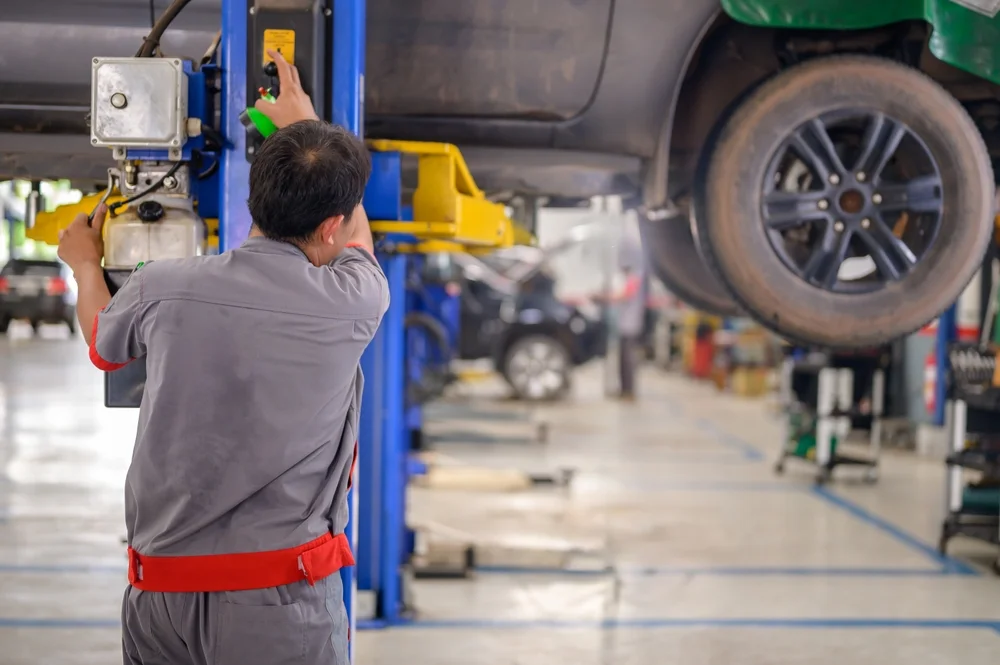
Before choosing pump sizes or control components, the power source must be decided first. Whether a hydraulic system runs on electric, diesel or petrol power affects where it can operate, how much load it can handle and how reliable it will be day to day. For Tamworth businesses working across workshops, farms, quarries and mobile sites, selecting the right power source is critical to avoiding downtime and operating limitations.
Tamworth’s industrial mix ranges from manufacturing to livestock processing and agriculture, and each sector has different priorities such as portability, noise, emissions and power output. Here is a clearer, more practical look at where each option fits best.
Electric units are well suited to indoor or fixed installations where clean, quiet and predictable power is important.
Where they shine:
If you run a fabrication workshop or manufacturing line, electric power packs offer the consistency and low maintenance you need. Their low noise output also makes them ideal where staff work closely with machinery.
Advantages:
Considerations:
Diesel power packs are designed for hard work, making them the go-to choice for agriculture, earthmoving and industrial lifting equipment.
Where they shine:
If your equipment needs to operate in remote paddocks or on large worksites far from reliable power, diesel is usually the safest and most economical long-term choice.
Advantages:
Considerations:
Petrol units are best for lighter duties or mobile equipment that needs to be moved often.
Where they shine:
A maintenance crew doing quick repairs around a property or a contractor using small hydraulic tools will appreciate the portability and lower upfront investment.
Advantages:
Considerations:
While many jobs can run perfectly well on a standard power pack, certain applications need something more precise. We see this often in agriculture, mining support and fabrication work where machinery is pushed to its limits.
A custom-built hydraulic power unit becomes essential when:
In these cases, tailoring the design ensures every component is sized correctly and works together efficiently. This leads to better performance, longer equipment life and fewer unexpected failures.
Energy costs in Australia continue to rise, which means efficiency is more than an environmental choice. It directly affects your operating budget. A well-selected power pack can pay for itself through reduced electricity or fuel consumption.
Businesses can improve efficiency by focusing on:
Many local operators find that after switching to a more efficient setup, they experience fewer breakdowns because the system is not constantly fighting against excess heat or unnecessary load.
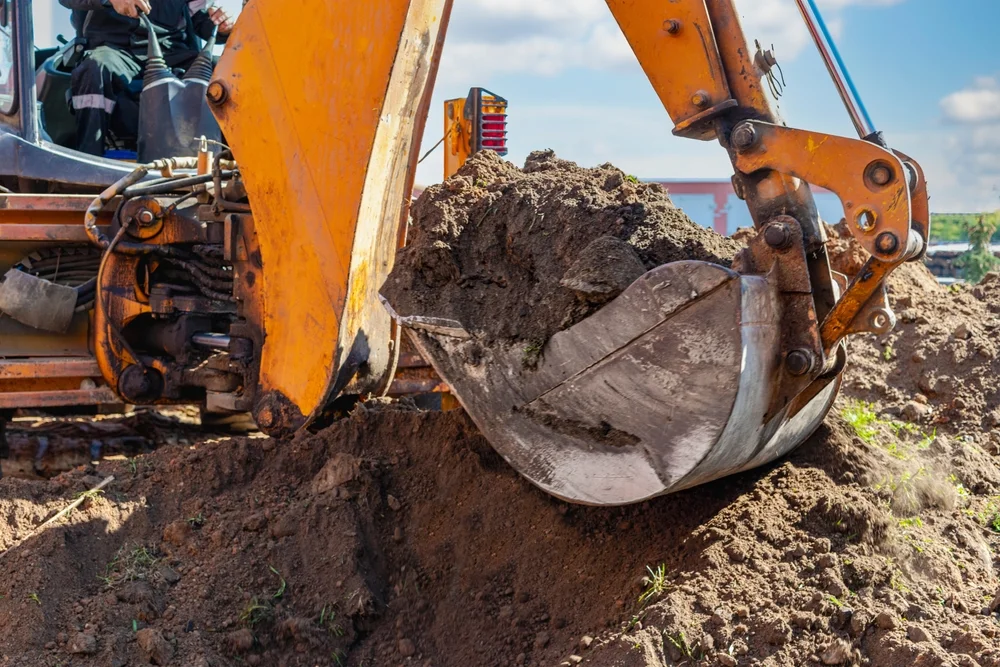
Tamworth’s climate and working conditions can vary widely, and these factors often determine which power unit will hold up best over time. Beyond performance, you also want a system that can survive the environment without premature wear.
Consider the conditions your equipment will work in day to day. These factors can influence the cooling, filtration and protection your power unit may need.
How you use the machinery is just as important as where it operates.
By considering both environment and operation, businesses can avoid overheating, premature wear and inefficient performance.
One of the biggest issues we encounter is incorrect sizing. A unit that is too small will underperform. One that is too large wastes money and energy. Sizing is not guesswork. It is a calculation based on how the machine actually works.
Sizing errors often happen when assumptions are made instead of calculations or when equipment specifications are not fully understood. These mistakes can lead to expensive downtime and safety risks.
You can prevent most sizing mistakes by:
Sizing correctly from the beginning prevents downtime and helps your machinery operate at its full potential.
Selecting the right hydraulic power unit is not just a technical decision. It affects safety, efficiency and the daily reliability of your machinery. By understanding your environment, workload and long-term goals, you can choose a system that performs well and lasts. At Taminda Hydraulics, we help businesses across Tamworth match their equipment to the right power pack so they can get the best value and performance out of their investment.