Modern hydraulic machinery plays a critical role in agriculture, transport, mining, manufacturing and heavy-duty rural operations. Yet in these demanding environments, even minor component weaknesses can lead to costly downtime, safety hazards or complete system failures. At Taminda Hydraulics & Engineering, we’re aware of how strategic hydraulic upgrades and hydraulic system design in Tamworth prevent breakdowns and transform ageing or underperforming equipment into high-reliability, high-productivity assets. With the right improvements, operators can enjoy smoother performance, lower running costs and long-term dependability.
Below, we explore the most effective upgrade paths for rural and industrial machines and how each one strengthens reliability where it matters most.
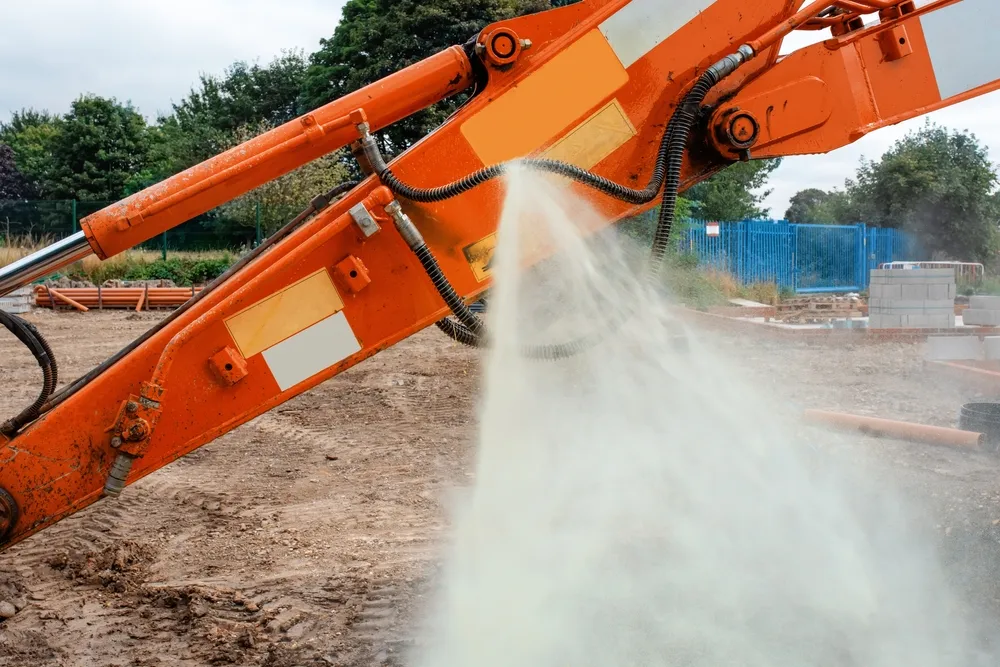
Preventing hydraulic failures begins with reinforcing the system’s structural stability, pressure control and contamination resistance. Older or high-hour systems are especially vulnerable to degradation, particularly in rural and industrial environments where heat, dust, vibration and heavy-duty workloads are constant. By introducing targeted upgrades, operators can eliminate the most common points of failure and improve day-to-day reliability.
Hydraulic hoses are among the first components to deteriorate, especially when equipment is exposed to UV radiation, abrasive surfaces, temperature fluctuations and continuous movement. Upgrading to premium hoses provides immediate benefits for safety and longevity.
Reinforced braiding and multi-layer construction add structural strength, reducing expansion under load and minimising the risk of fatigue. Newer hoses also feature abrasion-resistant outer coatings that protect against rocks, debris, rubbing surfaces and harsh weather.
Hydraulic leaks often start small. Just a tiny drip at a fitting or a worn seal that no longer sits properly under pressure. Viton, nitrile and other advanced seal materials offer exceptional resistance to extreme temperatures, oil degradation and pressure fluctuations, making them ideal for equipment used in harsh industrial or agricultural conditions.
Precision-machined fittings reduce micro-leaks by ensuring exact alignment and sealing surfaces, which not only minimises fluid loss but also helps maintain system pressure stability. Corrosion-resistant coatings and stainless-steel options add another layer of protection for machinery exposed to chemicals, fertilisers, moisture or coastal environments, dramatically lowering the risk of unexpected failures.
Contamination remains the most common cause of hydraulic system failure. Even microscopic particles can damage pumps, score cylinder walls and clog valves. Modern filtration upgrades improve system cleanliness and directly influence component life and performance. High-efficiency pressure-line and return-line filters provide cleaner, more stable fluid conditions even during heavy-duty cycles.
Larger capacity coolers, improved fan assemblies and thermostatic bypass valves allow the hydraulic circuit to regulate temperature more effectively, even during high-load operations. At the same time, modern pumps and motors reduce internal leakage, improving pressure stability and allowing the hydraulic system to deliver more usable power with less strain.
Many hydraulic leaks originate from outdated or fatigued lines, ageing seals or valve assemblies that have begun to wear internally. Modern upgrades address these issues by replacing vulnerable components with designs specifically developed to withstand higher pressures, greater flow rates and harsher environments.
Updated hydraulic lines are built with improved reinforcement and chemical resistance, reducing the likelihood of pinhole leaks or catastrophic hose failure. Advanced sealing technologies help cylinders, pumps and valves maintain their integrity even under fluctuating pressures.
Modern hydraulics rely heavily on sensors, monitoring tools and digital diagnostics to detect problems long before they turn into costly failures. As machinery becomes more advanced, operators can no longer depend solely on visual checks or routine servicing to identify early warning signs. Digital upgrades provide a clearer picture of what’s happening inside pumps, motors, valves and lines, allowing faster intervention, better planning and improved reliability.
Pressure and temperature are two of the most important indicators of hydraulic system health. When these values rise or fall outside normal ranges, they often signal a developing issue. Integrated sensors track these fluctuations in real time and immediately alert operators when conditions become unsafe.
Digital dashboards and remote monitoring make hydraulic systems easier and safer to manage. Operators gain immediate access to vital performance data without needing to physically inspect the machinery.
With modern diagnostics, traditional servicing schedules can evolve into targeted, predictive maintenance programmes. Instead of relying on fixed intervals, servicing becomes based on real performance data.
Better hydraulic efficiency leads to faster cycle times, lower energy consumption, stronger lifting performance and smoother control. When machinery responds more quickly and operates with less strain, operators experience greater productivity, reduced fuel and electricity costs and far fewer interruptions caused by overheating or pressure instability. Upgrading core components can transform older or underperforming systems into high-efficiency, high-output workhorses.
Modern pump designs, particularly variable-displacement models, adapt their output to match actual system demand. This means the pump slows down during light workloads and increases output only when needed, reducing wasted energy.
High-efficiency motors further support this improvement by delivering consistent torque with less electrical or fuel consumption, enabling equipment to run cooler and more reliably over extended periods. Upgrading pumps and motors also reduces internal leakage, which keeps pressure levels stable and ensures that cylinders, actuators and other hydraulically driven components operate with predictable and responsive power.
Valves are central to how a hydraulic system behaves under load, and modern innovations have improved the responsiveness of machinery. Proportional and servo valves provide extremely precise control by adjusting flow rates and pressure in real time, allowing machines to perform delicate or highly coordinated movements without jerking or delay. Updated spool designs reduce internal friction, enabling smoother transitions and quicker actuation even under heavy workloads.
Modern valve assemblies also provide stronger load-holding performance, which is important for equipment used in lifting, digging, pressing or high-pressure industrial environments.
Hydraulic lines may seem like a basic component, but upgrading them can make a difference in system performance. This reduction in resistance helps actuators move faster, deliver more force and maintain consistent speed even during heavy demand.
High-flow lines are especially beneficial for machinery that performs repetitive motions or requires sustained hydraulic output, such as loaders, agricultural equipment or industrial presses. By reducing backpressure and turbulence, these lines help actuators respond faster and maintain consistent performance during high-demand tasks.
Sensors and flow-monitoring upgrades don’t just protect systems from early failure; they also play a role in maximising hydraulic efficiency. By continuously measuring pressure, temperature, flow rate and pump output, operators gain real-time insight into how well the system is performing under varying loads. When flow decreases or pressure fluctuates unexpectedly, it often indicates internal inefficiencies such as pump wear, valve restriction or partial blockages.
Sensors make these issues visible long before they impact machine performance, allowing adjustments or minor repairs that keep the system operating at peak efficiency. This level of visibility also helps fine-tune machine settings to achieve smoother response times and more consistent hydraulic output.
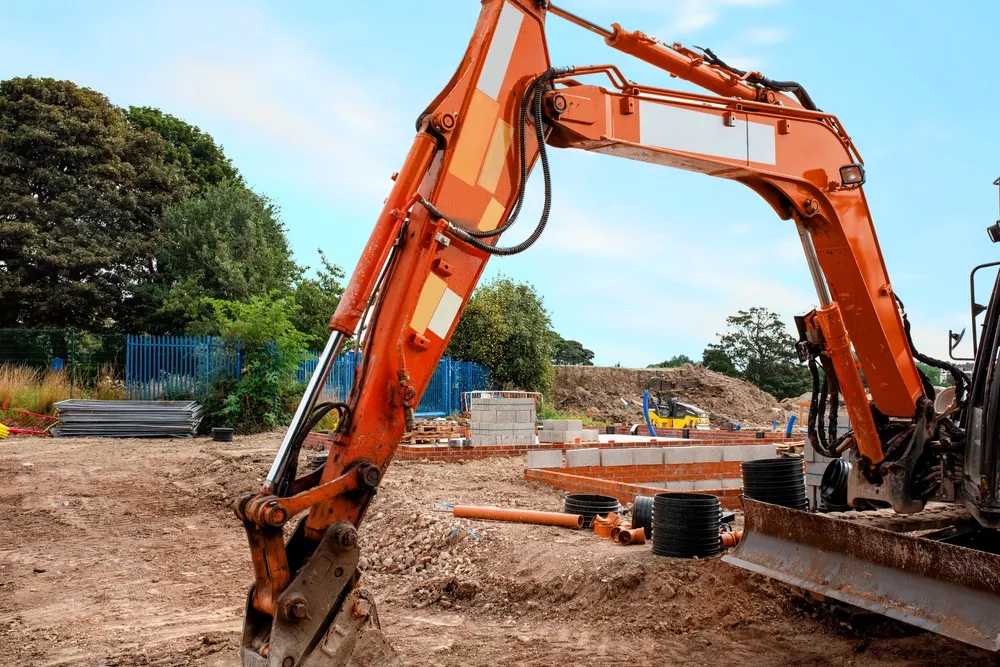
Upgrades are valuable for rural and industrial operations where machines experience constant load cycles, harsh weather, abrasive conditions and long operating hours. With smart retrofitting, older systems can meet modern performance expectations without the cost of purchasing new equipment.
Many older machines weren’t designed for today’s heavier workloads, making their original cooling systems too small for modern operating conditions. Upgrading the cooling system helps maintain stable temperatures during continuous use and protects pumps, valves and cylinders from heat-related strain.
Many older machines rely on fixed-displacement hydraulic systems, which run at full output regardless of the actual workload. Load-sensing conversions modernise these systems, making them more efficient, responsive and durable.
A key part of extending equipment life is replacing wear-prone components before they have a chance to damage more expensive parts of the hydraulic system. Even minor wear can escalate quickly, especially under high pressure or heavy workloads.
Hydraulic systems rely on far more than strong hardware. Their long-term reliability is shaped primarily by the quality of the fluid circulating through the system and the consistency of maintenance practices. By prioritising better fluids, tighter contamination control and structured maintenance routines, operators can dramatically extend equipment lifespan and keep performance stable in tough rural and industrial conditions.
Premium hydraulic fluids offer superior protection, performance and stability, especially when machinery is exposed to extreme temperatures, heavy workloads and long operating hours. Higher-grade formulations are engineered to resist these issues.
Dust, metal particles, moisture and degraded fluid by-products all contribute to premature wear. Effective contamination control, paired with routine testing, ensures the fluid remains clean and capable of protecting the system.
A structured maintenance plan keeps hydraulic performance predictable, safe and efficient. Instead of relying on reactive repairs or irregular servicing, disciplined maintenance routines address wear at its earliest stages and prevent small issues from evolving into costly breakdowns.
If your machine is running hotter than normal, slowing down or showing early signs of wear, it’s worth getting ahead of the problem. At Taminda Hydraulics & Engineering, we see every day how a few smart upgrades can completely change the reliability of a machine. If you’d like to talk through the best upgrade options, we’re here to help.