Specialised machinery is the backbone of agricultural, industrial and mining operations, yet its ongoing performance depends on how well it is maintained, upgraded and adapted to evolving needs. In many cases, equipment requires solutions that go beyond standard servicing, especially when parts are obsolete, machines are heavily worn or new operating conditions demand new capabilities. When businesses look into custom hydraulic engineering in Tamworth, they quickly discover that custom fabrication and full machinery overhauls are essential for prolonging machinery life and preventing costly downtime. At Taminda Hydraulics & Engineering, we see how tailored repairs, purpose-built components and detailed system overhauls restore equipment to peak performance while ensuring reliability in demanding environments.
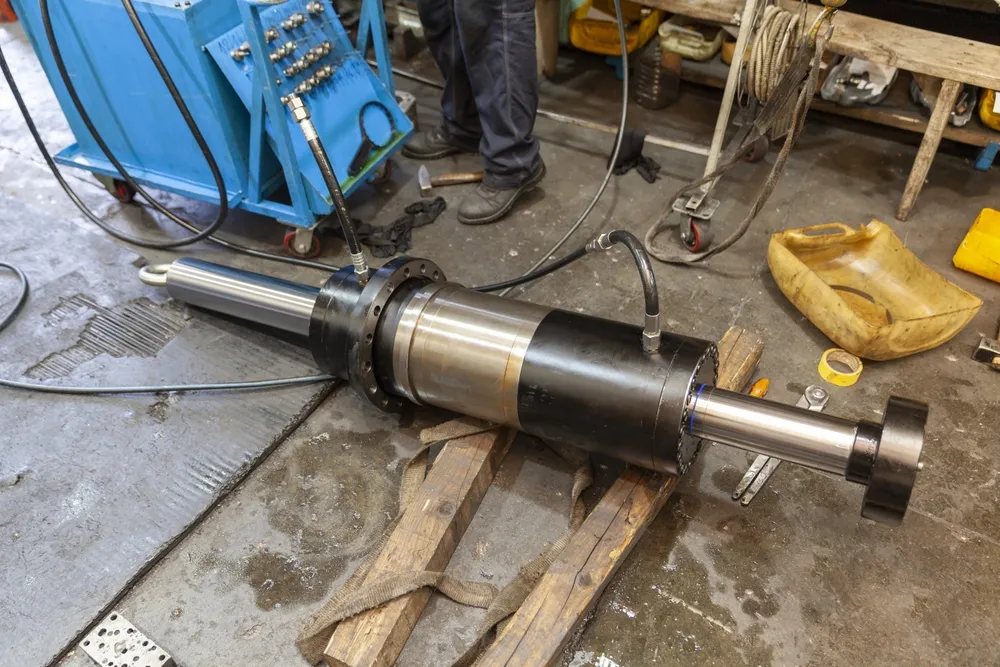
Knowing when machinery needs an overhaul rather than a quick repair is crucial for preventing failures and maintaining safe, efficient operation. Many operators continue to patch small issues until breakdowns become unavoidable, often resulting in higher costs, safety risks and extended downtime. Understanding the signs early helps avoid unnecessary complications and allows you to consider whether a full rebuild, new components or custom fabrication will deliver better value and longevity.
Early warning signs often present as subtle performance shifts: slower response times, reduced power or irregular operation. These issues typically indicate underlying faults that require a detailed inspection before they escalate. Addressing these early allows technicians to assess whether replacing parts, rebuilding components or fabricating new items will restore stability.
Many machines, especially older or highly specialised units, use components that are no longer manufactured or cannot meet modern performance requirements. Custom fabrication becomes the best option when standard parts no longer meet performance requirements or are unavailable. Purpose-built components offer precise fitment and improved functionality tailored to the machine’s real operating conditions.
A full machine replacement is expensive and sometimes unnecessary. An overhaul offers a more cost-effective alternative that restores functionality and extends lifespan, often at a fraction of the cost of new equipment. With a thorough assessment, operators can determine whether an overhaul or fabrication-based upgrade offers the best return on investment.
Hydraulic overhauls involve more than swapping out worn components; they require a complete, methodical approach to ensure performance, safety and long-term dependability. A proper overhaul examines every element of the system, from internal surfaces and seals to pumps, cylinders and control valves. This systematic process helps restore the equipment to near-new efficiency and eliminates hidden issues that could cause future failures.
Every successful overhaul begins with a detailed teardown so technicians can inspect each internal and external component. This allows them to diagnose wear patterns, structural weaknesses and potential safety concerns. This level of detail ensures each decision, from repair to fabrication, is based on reliable data. A typical inspection includes:
Once faults are identified, technicians begin reconditioning the system. This stage involves machining damaged surfaces, replacing seals, refurbishing rods and reassembling components to factory-level tolerances. This ensures the machinery not only functions but also operates efficiently and safely under real working pressures. Here are some rebuild tasks:
After reassembly, the system undergoes testing to confirm that all components perform correctly and that no internal faults remain undetected. Proper calibration ensures that pressures, flows and response times meet operating requirements. Only after passing all tests is the hydraulic system returned to service:
Not all hydraulic components follow standard dimensions, load requirements or material specifications. Many specialised machines rely on unique parts that require advanced welding methods and custom fabrication techniques to ensure structural integrity and long-term reliability. Crafting non-standard components requires precision, high-quality materials and an understanding of how these parts interact under real-world mechanical stresses.
Because hydraulic systems endure constant high stress, welded components must be structurally sound and fatigue-resistant. Precision welding techniques ensure joints remain stable and leak-free over long operating cycles. These approaches help maintain structural stability even in high-pressure environments.
Machines used in agriculture, transport, mining and earthmoving often require uniquely shaped structural components that must hold significant weight or resist constant vibration. Custom-fabricated brackets and supports ensure that components fit perfectly and last through rugged conditions. These custom builds greatly enhance equipment resilience and operational safety.
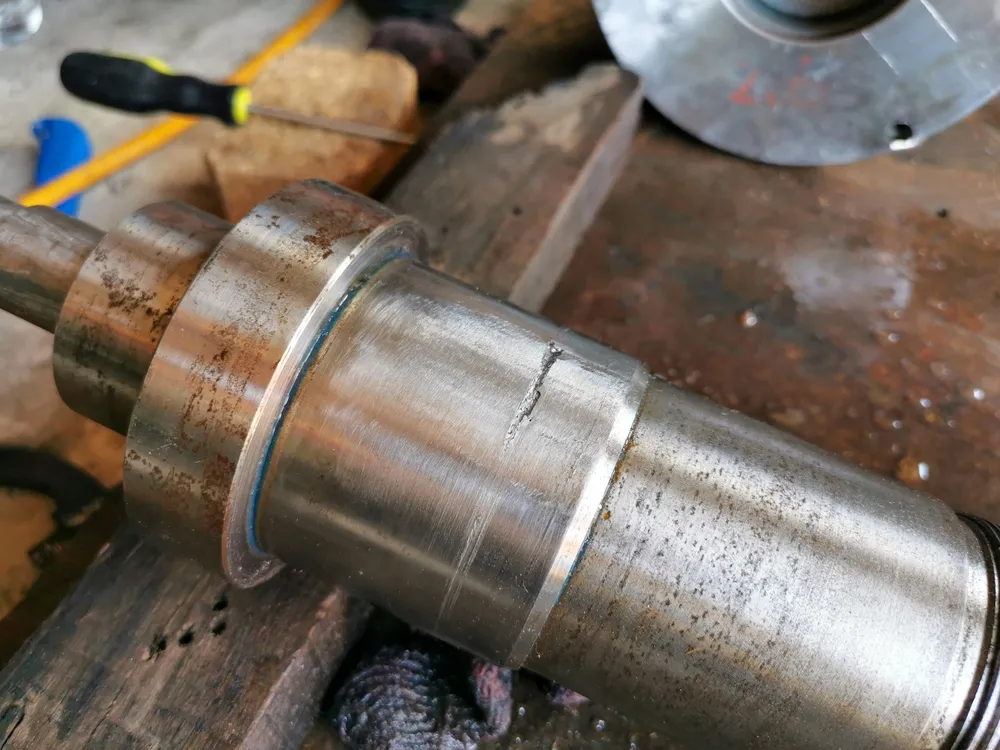
When components show wear or minor structural damage, strategic reinforcement can restore them to safe working condition without the cost of full replacement. Effective repairs reduce downtime and extend the lifespan of expensive parts. These may include:
Agricultural and mining environments often present unique operational challenges that standard equipment simply cannot overcome. Harsh terrain, heavy loads, weather extremes and specialised processes all require equipment to be adapted or redesigned to improve efficiency and safety. Bespoke engineering provides solutions that are built specifically around real operational conditions rather than generic equipment specs.
Custom engineering ensures machinery can withstand these conditions without excessive wear or failure. These enhancements protect equipment from premature breakdowns. The following are some examples:
Some operations require highly specialised attachments, tools that simply don’t exist off the shelf. Designing custom attachments allows operators to perform tasks more safely, efficiently and with better precision. Well-designed attachments streamline workflows and reduce manual labour. Common custom attachments include:
In both agriculture and mining, downtime can be extremely costly. Bespoke engineering focuses on improving reliability, reducing maintenance frequency and enhancing performance under real operating conditions. These upgrades lead to long-term operational savings and smoother workflows. The following are solutions to try:
When servicing and fabrication are handled by the same team, communication is clearer, quality remains consistent and parts can be produced immediately, resulting in faster turnaround times and fewer delays. For operators needing fast repairs or highly tailored machinery solutions, an integrated service model offers unmatched convenience and performance.
Delays often occur when workshops must wait for parts to arrive or outsource fabrication. An in-house team eliminates these bottlenecks. This efficiency is especially valuable during peak agricultural or mining seasons. Here are some of its advantages that anyone can expect:
Achieving long-lasting performance in specialised machinery depends heavily on the precision and consistency applied at every stage of the repair or fabrication process. When servicing and fabrication are handled by separate parties, communication gaps, mismatched tolerances and delays can easily compromise the outcome. However, when the entire workflow takes place in a single workshop, technicians have full visibility over how each component interacts with the broader system.
An integrated team not only understands the machine’s problem but also how its environment and operator demands influence long-term performance. This allows them to design and fabricate solutions specifically suited to the operator’s requirements. This makes in-house integration far superior to generic repairs. Reap some of its benefits:
Whether you’re dealing with worn components, outdated machinery or new operational challenges, custom fabrication and detailed overhauls provide long-term value that simple repairs cannot achieve. By choosing a provider that understands the complexities of heavy machinery and offers both servicing and fabrication under one roof, you gain a partner dedicated to improving performance, reducing downtime and keeping your equipment running at its best. At Taminda Hydraulics & Engineering, we combine hands-on industry experience with advanced fabrication and overhaul capabilities to deliver solutions built around your machinery, not generic fixes. Contact us today to discuss your machinery challenges and discover how tailored hydraulic engineering can extend the life, performance and safety of your specialised equipment.